

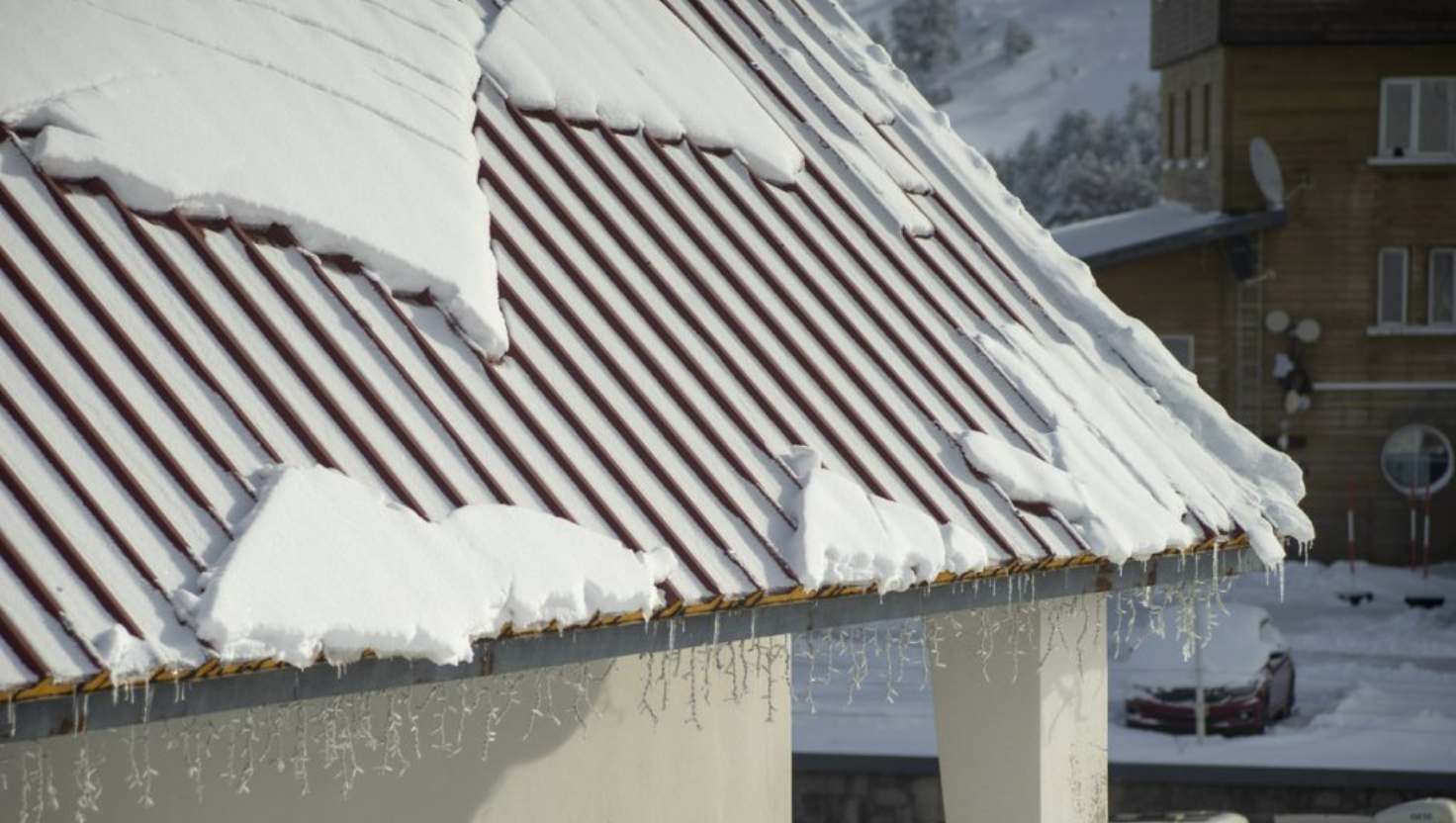
When it comes to roofing types for snow load resistance in Wyoming, no single material wins on its own. Snow resistance comes from how a roof is designed as a system: the slope that sheds snow, the framing that carries its weight, and the surface that manages ice and meltwater. Steep metal roofs, architectural asphalt, and reinforced low-slope membranes can all handle Cheyenne winters when the pitch, structure, and detailing match the load. This guide explains how snow load actually works on Wyoming roofs and the roof types and design factors that stand up to it. Pete’s Builders serves Cheyenne and the surrounding high plains at (307) 514-5489.
Quick answer
The best roofs for Wyoming snow load are standing-seam metal and steep-pitched architectural shingles — both shed snow and handle the weight and freeze-thaw of a Cheyenne winter. Metal sheds fastest; a steeper pitch reduces load; low-slope and flat roofs need the strongest structure and good drainage.
| Roof type | Snow-load performance |
|---|---|
| Standing-seam metal | Excellent — low-friction surface sheds snow fast |
| Steep-pitch architectural shingle | Good — sheds well, budget-friendly |
| Low-slope / flat (TPO · EPDM) | Needs strong structure + drainage; watch ponding & snow weight |
What is snow load, and why does it matter in Wyoming?
Snow load is the downward weight snow and ice place on a roof structure. In snow country like southeast Wyoming, it is one of the largest forces a roof ever faces, and it can persist for months at a time.
Engineers split roof loads into two kinds. Dead load is the fixed weight of the roof itself, the framing, decking, and covering. Live load is the changing weight on top, and in Cheyenne and Laramie that live load is dominated by snow, ice, and drifts.
The weight adds up fast. Light, dry powder is fairly gentle, but wet snow can weigh roughly 20 to 25 pounds per cubic foot as a general estimate. A season of freeze-thaw layering turns that into a dense, heavy slab pressing on your rafters.
How does snow drifting change the load on a roof?
Wyoming’s relentless wind does not spread snow evenly. It sculpts it, scouring one part of the roof bare and piling deep drifts somewhere else, so parts of your roof carry far more than the average snowfall would suggest.
Drifts collect against anything that interrupts the wind. Watch the low side of a roof step, the base of dormers, behind chimneys, and against parapet walls on flat commercial buildings along Central Avenue and Dell Range.
Valleys where two roof planes meet are another hot spot, funneling snow and meltwater into a concentrated line. Good design anticipates these zones with stronger framing, wider valley metal, and clear drainage paths so the extra weight has somewhere to go.
What are ice dams, and how do they affect roof choice?
Ice dams form when heat escaping into the attic melts the snow above it. That meltwater runs down to the cold eave, refreezes, and builds a ridge of ice that traps more water behind it.
That trapped water backs up under shingles and forces its way into the deck and walls. This freeze-thaw cycle is punishing across Cheyenne, Laramie, and Burns, where sunny days and frigid nights repeat all winter long.
Fighting ice dams is not just about the surface material. It depends on attic insulation, ventilation, and a continuous ice-and-water barrier at the eaves and in the valleys, which is why the best snow roofs are built as complete systems.
Which roof pitch and slope resist snow best?
Slope is arguably the single most important design factor for shedding snow. A steeper pitch lets gravity carry snow off before it can accumulate into a crushing load.
Steep roofs, generally above a 6:12 pitch, shed snow readily and give ice fewer places to lodge. Slick surfaces like standing seam metal amplify this, letting slabs slide clear of the roof plane.
Low-slope and flat roofs, common on commercial buildings, cannot shed snow this way, so they must instead be engineered to hold the full load. That means a robust structure, reliable drainage, and a durable waterproof membrane rather than reliance on runoff.
How do roofing materials compare for snow country?
Each roofing family manages snow differently, and the right pick depends on your roof’s slope, structure, and use. Here is how the main types behave under a Wyoming winter.
- Standing seam metal: smooth, durable panels that shed snow easily and offer a high strength-to-weight ratio, making them a popular choice for steep snow-country roofs.
- Architectural asphalt shingles: heavier, more wind- and impact-resistant than three-tab, a practical option for pitched residential roofs when paired with proper eave protection.
- Slate and concrete or clay tile: extremely durable and heavy, which demands strong framing built to carry both their dead load and the snow above.
- Membrane systems (modified bitumen, built-up roofing): designed for low-slope commercial roofs that hold snow, focusing on waterproofing and drainage.
No material is automatically the best. It has to be matched to the roof geometry and the load the structure is engineered to carry.
What structural and design factors matter beyond the material?
The covering you see is only the top layer. What carries the snow is the framing underneath, and that structure is what keeps a roof safe through a long Cheyenne winter.
Rafters, trusses, and decking must be sized and spaced for the local design snow load, which reflects our high-plains elevation and climate. Undersized framing sags, cracks, and in severe cases fails, no matter how good the surface material is.
Two more details make a real difference. Snow guards hold sliding snow in controlled spots so it does not avalanche onto walkways or entries, while balanced ventilation and insulation keep the roof deck cold and starve ice dams of the heat that feeds them.
Frequently asked questions about snow load and roofing types in Wyoming
Is metal roofing always the best choice for snow in Wyoming?
Metal sheds snow very well on steep slopes, but it is not the only good option. The right choice depends on your roof’s pitch, structure, and use, and on southeast Wyoming’s snow, wind, and freeze-thaw conditions.
Does a steeper roof really shed more snow?
Yes. A steeper pitch, generally above 6:12, uses gravity to let snow slide off before it builds into a heavy load, especially on slick surfaces like standing seam metal.
Can a flat commercial roof handle Wyoming snow?
It can when it is engineered for it. Flat and low-slope roofs hold snow rather than shed it, so they rely on strong structure, good drainage, and a durable membrane to carry the load safely.
What causes ice dams on Cheyenne roofs?
Heat escaping into the attic melts snow, which refreezes at the cold eave and traps water behind it. Good insulation, ventilation, and eave ice-and-water barriers are the main defenses.
How much does snow actually weigh on a roof?
It varies with moisture. As a general estimate, wet snow can weigh roughly 20 to 25 pounds per cubic foot, and layered freeze-thaw snow grows dense and heavy over a season.
Do you serve areas outside Cheyenne?
Yes. Pete’s Builders serves Cheyenne, Laramie, and Burns in Wyoming, plus Scottsbluff, Sidney, and North Platte in Nebraska, along with rural Wyoming.
Plan a snow-ready roof for your Wyoming property
Choosing the right roof for snow load is about matching material, slope, and structure to how winter behaves on the high plains. The best time to get that right is before the first heavy storm settles in.
Pete’s Builders Commercial & Residential Roofing helps Cheyenne and Laramie homeowners and businesses design and replace roofs built for Wyoming winters. Call (307) 514-5489, visit petesbuilders.com, or stop by 1816 Central Ave, Cheyenne, WY 82001 to talk through your options.
Reviewed by the Pete’s Builders Roofing Team — licensed & insured Wyoming roofing contractors.