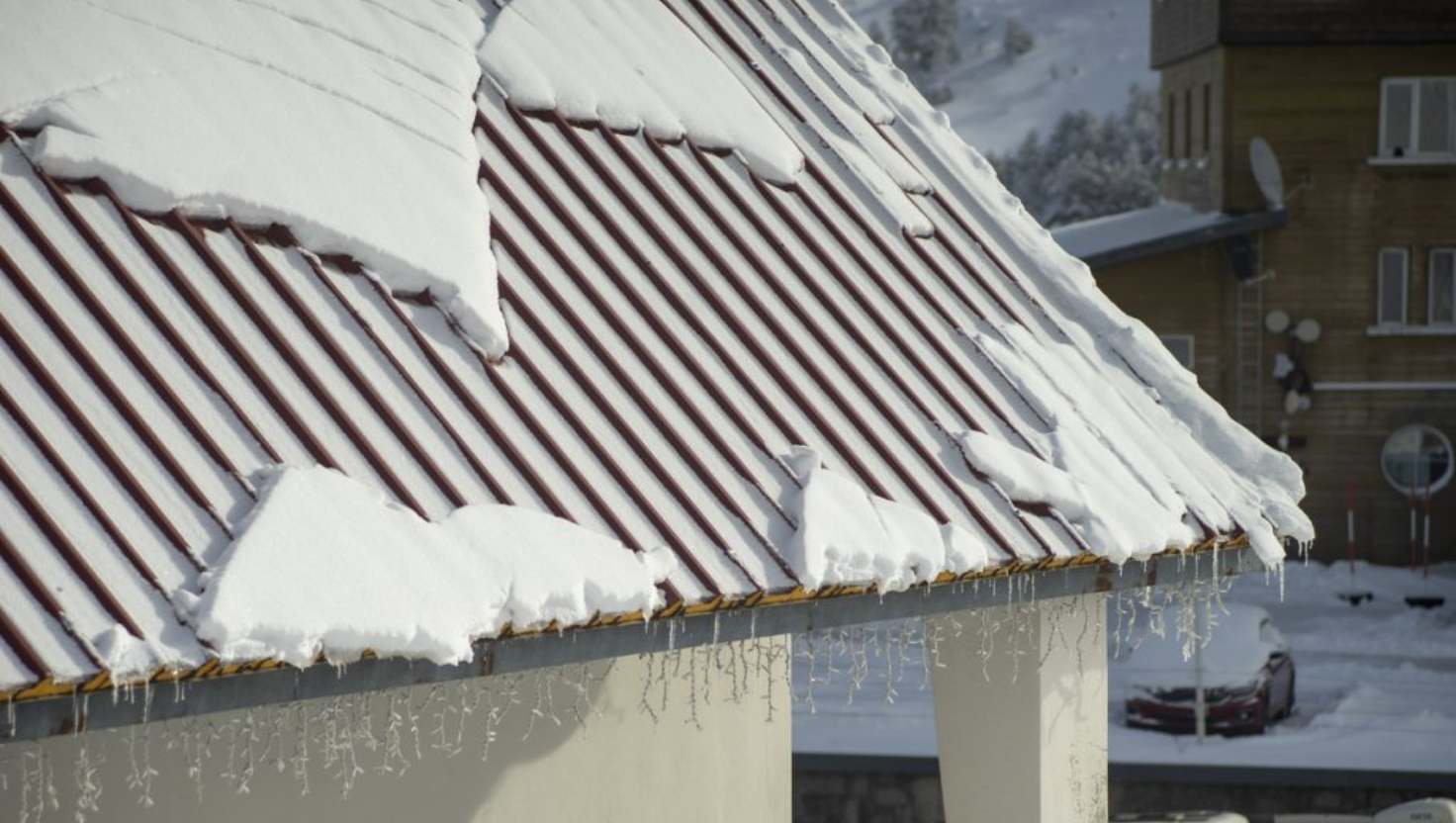
If you live in Wyoming, you already know winter doesn’t play around. Heavy snowfall, sudden freezes, and long cold spells are part of life here. While snow-covered rooftops might look peaceful, they can quickly turn into a serious risk for your home and your safety.
Every winter, Pete’s Builders gets calls from Wyoming homeowners dealing with roof leaks, ice dams, sagging structures, and emergency roof repairs — all caused by excessive snow buildup. Many of these problems are preventable if snow is removed correctly and at the right time.
This guide will walk you through how to remove snow safely from your rooftop in Wyoming, what to avoid, when to call professionals, and how to protect your roof for future winters.
Why Snow Removal From Your Roof Matters in Wyoming
1. Heavy Snow Loads Stress Roof Structures
Snow may look light, but it’s heavy — especially wet snow common during Wyoming temperature swings. A few feet of snow can add thousands of pounds of weight to your roof. Over time, this stress can weaken rafters, cause sagging, or even lead to partial roof collapse.
2. Ice Dams Are a Major Wyoming Problem
Ice dams form when snow melts near the roof’s edge and refreezes. This creates a barrier that traps water, forcing it under shingles and into your home. Wyoming homes with older insulation or poor ventilation are especially vulnerable.
3. Falling Snow and Ice Are Safety Hazards
Large chunks of snow or ice sliding off roofs can injure people, damage vehicles, and break gutters. This is a serious liability risk, especially for homes with walkways, driveways, or entrances below rooflines.
How Much Snow Is Too Much for a Roof?
There’s no single number that fits every home, but here are general Wyoming guidelines:
- 12 inches of wet snow can already be dangerous
- 2+ feet of dry snow may exceed safe load limits
- Ice buildup adds extreme weight very quickly
Warning Signs Your Roof Is Under Stress
- Sagging ceilings or rooflines
- Cracking or popping sounds
- Doors or windows suddenly sticking
- Water stains on ceilings or walls
If you notice any of these signs, stop DIY efforts and contact Pete’s Builders immediately.
Safety Precautions Before Removing Snow
Before you even touch a roof rake, safety comes first.
Dress for Wyoming Conditions
- Insulated, waterproof boots with grip
- Gloves that allow control (not bulky)
- Warm but flexible clothing
- Helmet or hard hat if possible
Conditions to Avoid
- High winds
- Active snowfall
- Icy ground conditions
- Nighttime or poor visibility
Never attempt snow removal alone. Always have someone nearby in case of an emergency.
Tools You Need to Remove Snow Safely
Roof Rake (Best Option for Homeowners)
- Use a plastic or rubber-edged roof rake
- Avoid metal edges that damage shingles
- Extendable handles are ideal
Snow Pushers & Shovels
- Only for ground-level areas
- Never use standard shovels on roofing material
Ice Melt Products
- Use calcium chloride only
- Never use rock salt — it destroys shingles
Safety Equipment
- Stable ladder with footing
- Ladder stabilizer
- Safety harness (for professionals only)
Step-by-Step Guide: Removing Snow Safely From Your Roof
Step 1: Clear the Area Below First
Before removing snow from above, clear sidewalks, driveways, and entryways. This prevents injury from falling snow and ice.
Step 2: Use a Roof Rake From the Ground
Stand firmly on the ground and gently pull snow downward. Start near the roof edge and work upward carefully.
Do not try to remove all snow. Leaving 2–4 inches protects shingles and prevents damage.
Step 3: Remove Snow Evenly
Never clear one side of the roof completely while leaving the other loaded. Uneven weight distribution can cause structural damage.
Step 4: Handle Ice Dams Carefully
Never chip ice with sharp tools. Instead:
- Apply calcium chloride ice melt
- Use ice melt socks placed vertically
- Allow ice to melt gradually
If ice dams persist, professional help is required.
What NOT to Do When Removing Roof Snow
Many Wyoming homeowners accidentally damage their roofs by making these mistakes:
- Climbing onto icy roofs
- Using metal shovels or axes
- Pouring boiling water on ice
- Standing directly beneath snow loads
- Ignoring personal safety gear
These mistakes often lead to emergency repairs — or worse, serious injury.
When to Call a Professional Roof Snow Removal Service
DIY snow removal has limits. You should call Pete’s Builders if:
- Your roof is steep or multi-story
- Ice dams are thick and widespread
- Snow depth exceeds safe limits
- You notice roof sagging or leaks
- You’re unsure how your roof is constructed
Professional roof snow removal protects your roof, your home, and your safety.
Preventing Future Snow Buildup in Wyoming Homes
Improve Attic Insulation
Proper insulation keeps heat inside your home and prevents uneven snow melting that causes ice dams.
Upgrade Roof Ventilation
Balanced ventilation allows cold air circulation, reducing ice formation along roof edges.
Install Ice & Water Shield
This protective barrier prevents water intrusion even when ice dams form.
Schedule Winter Roof Inspections
Pete’s Builders recommends pre-winter and post-storm inspections for Wyoming homeowners.
Frequently Asked Questions (FAQs)
Can snow damage a new roof?
Yes. Even new roofs can suffer structural stress or ice dam damage if snow is not managed properly.
Is roof snow removal covered by insurance?
It depends on your policy. Damage caused by neglect may not be covered.
How often should snow be removed?
After heavy storms or when snow exceeds 12–18 inches.
Are roof rakes safe for shingles?
Yes — when used correctly with plastic edges and light pressure.
Why Wyoming Homeowners Trust Pete’s Builders
Pete’s Builders understands Wyoming winters because we work in them every year. Our team specializes in:
- Residential roofing
- Storm damage repairs
- Roof maintenance and inspections
- Emergency winter roofing services
We don’t just fix roofs — we help homeowners prevent costly problems before they happen.
Final Thoughts: Stay Ahead of Wyoming Winter Roof Damage
Removing snow safely from your rooftop isn’t just about protecting shingles — it’s about protecting your home, your family, and your investment. Wyoming winters demand proactive care, proper tools, and professional help when needed.
If you’re unsure whether your roof is safe, don’t guess.