

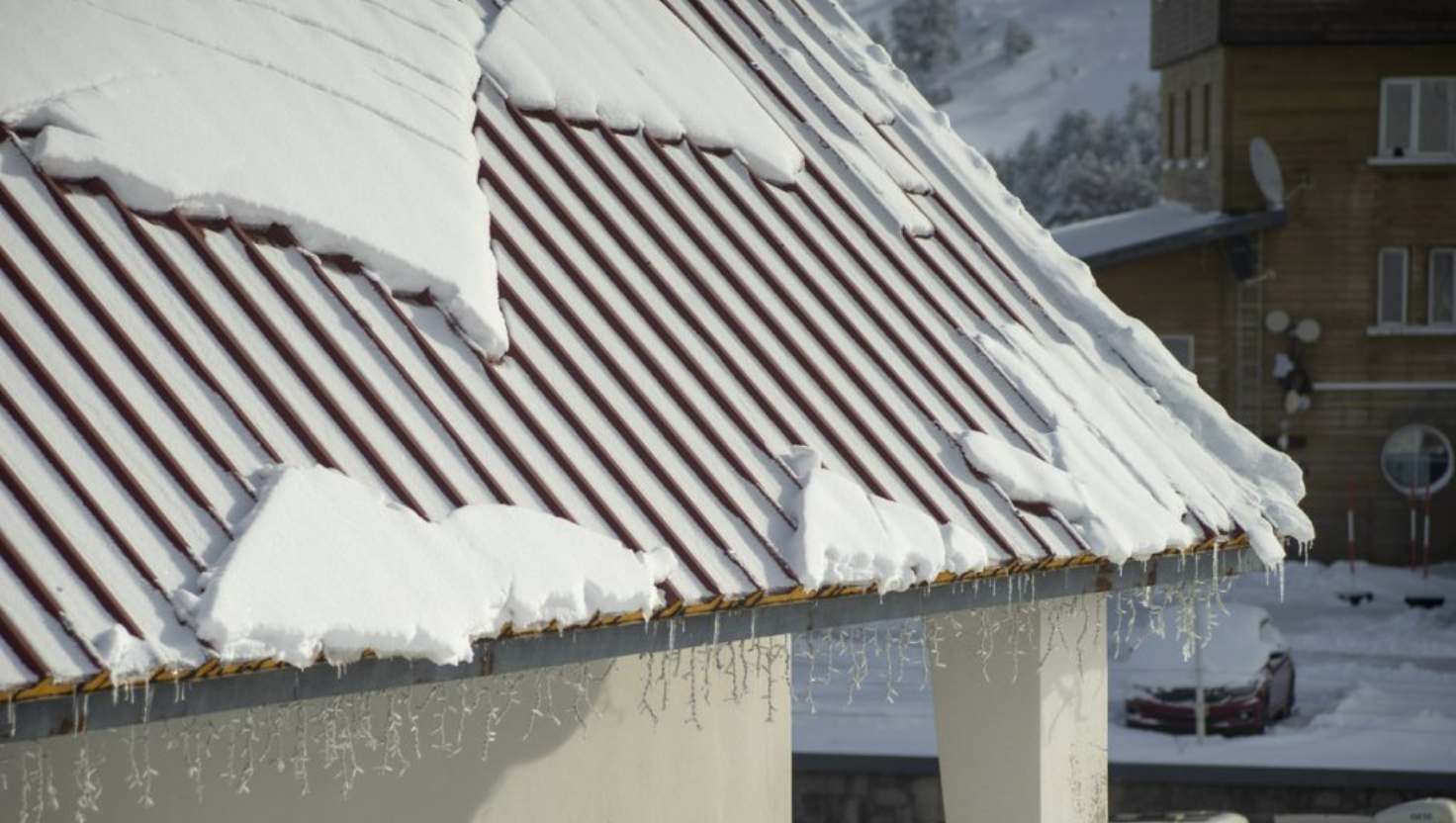
When it comes to roofing in Wyoming, snow load resistance isn’t optional—it’s critical. Heavy snowfall, drifting snow, ice buildup, and sub-zero temperatures place extreme pressure on both residential and commercial roofs. Choosing the wrong roofing system can lead to structural stress, leaks, ice dams, or even roof collapse.
At Pete’s Builders, we help Wyoming property owners choose roofing systems designed to handle high snow loads, harsh winters, and strong winds. This guide breaks down the best roofing types for snow load resistance, explains how they perform in Wyoming’s climate, and helps you choose the right solution for your home or business.
Why Snow Load Resistance Matters in Wyoming
Wyoming winters bring:
- Heavy snow accumulation
- Strong winds causing snow drifting
- Freeze–thaw cycles
- Ice dams and roof edge buildup
Snow load refers to the weight of snow and ice sitting on your roof. Wet snow can weigh 20–25 pounds per cubic foot, and when combined with drifting and ice, the load increases rapidly.
Roofing systems in Wyoming must be designed to:
- Support significant weight
- Shed snow efficiently
- Prevent ice dam formation
- Maintain structural integrity over time
Key Factors That Affect Snow Load Performance
Before choosing a roofing material, it’s important to understand what impacts snow load resistance.
Roof Pitch & Design
- Steeper roofs shed snow faster
- Low-slope and flat roofs must be engineered to support snow weight
Roofing Material Strength
- Some materials are better at handling compression and stress
- Lightweight but strong materials perform best
Structural Framing
- Trusses, rafters, and decking must support the roof system
- Older buildings may require reinforcement
Ventilation & Insulation
- Poor ventilation leads to ice dams
- Heat escaping from the building causes snow to melt and refreeze
Best Roofing Types for Snow Load Resistance in Wyoming
Standing Seam Metal Roofing (Top Choice for Wyoming)
Standing seam metal roofing is one of the best-performing roofing systems for snow-heavy regions.
Why it works:
- Smooth surface allows snow to slide off naturally
- Extremely high strength-to-weight ratio
- Minimal risk of ice dams
- Resistant to cracking in extreme cold
Best for:
Residential homes, commercial buildings, agricultural facilities
Metal Panel Roofing
Metal panel roofing performs exceptionally well under snow loads when installed correctly.
Key benefits:
- Strong wind and snow resistance
- Durable against freeze–thaw cycles
- Long lifespan with minimal maintenance
Best for:
Commercial properties, barns, warehouses, industrial buildings
Architectural Asphalt Shingles (Residential Option)
Architectural (dimensional) shingles perform better than basic 3-tab shingles in snowy climates.
Advantages:
- Thicker and heavier construction
- Better wind resistance
- Flexible in cold temperatures
Limitations:
- Snow does not shed as easily as metal
- Requires proper attic insulation and ventilation
Best for:
Residential homes in Wyoming with proper roof pitch
Slate Roofing (High-End & Structural-Dependent)
Slate is extremely strong and can support heavy snow loads when the structure is designed for it.
Pros:
- Exceptional durability
- Long lifespan
- High compressive strength
Cons:
- Very heavy
- Requires reinforced framing
- Higher cost
Best for:
Custom homes or historic buildings with engineered support
Concrete or Clay Tile Roofing
Tile roofs can handle snow load structurally but require special considerations in Wyoming.
Considerations:
- Heavy material requires strong framing
- Snow shedding depends on roof pitch
- Freeze–thaw exposure must be managed
Best for:
Buildings engineered specifically for tile roofing
Modified Bitumen Roofing (Commercial Flat Roofs)
For commercial properties with flat or low-slope roofs, modified bitumen is a strong option.
Benefits:
- Reinforced membrane layers
- Designed to handle standing snow
- Excellent waterproofing
Best for:
Commercial buildings, offices, retail centers
Built-Up Roofing (BUR)
BUR systems use multiple layers of asphalt and reinforcing materials.
Advantages:
- High load tolerance
- Proven performance
- Excellent waterproofing
Best for:
Older or heavy-duty commercial buildings
Roofing Types That Perform Poorly in Heavy Snow
Not all roofing systems are suitable for Wyoming winters.
Avoid:
- Low-quality 3-tab shingles
- Improperly designed flat roofs
- Lightweight systems without structural support
- Roofs with poor drainage or ventilation
These systems are more likely to suffer from leaks, sagging, or premature failure.
Best Roof Slopes for Snow Load Resistance
- Steep-slope roofs: Shed snow efficiently
- Moderate slopes: Require snow guards or design considerations
- Flat roofs: Must be engineered for load capacity and drainage
Roof slope is just as important as roofing material when it comes to snow performance.
Snow Load Roofing: Residential vs Commercial Buildings
Residential Roofing
- Focus on snow shedding
- Ice dam prevention
- Attic ventilation and insulation
Commercial Roofing
- Engineered load capacity
- Drainage and scupper design
- Membrane durability
Each requires a different approach based on building use and structure.
Ice Dams & Snow Load – How Roofing Choice Helps
Ice dams occur when heat escapes through the roof, melting snow that refreezes at the edges.
Roofing materials that help reduce ice dams:
- Metal roofing
- Properly installed architectural shingles
- Roofs with adequate ventilation
Good roofing design + insulation = fewer winter problems.
Wyoming Building Codes & Snow Load Requirements
Snow load requirements vary by region and elevation in Wyoming. Roofing systems must meet:
- Local building codes
- Structural engineering standards
- Manufacturer installation guidelines
Professional installation is essential to ensure compliance and long-term performance.
How to Choose the Right Snow-Resistant Roof in Wyoming
Consider:
- Average snowfall in your area
- Roof pitch and structure
- Residential vs commercial use
- Budget vs long-term savings
- Maintenance requirements
A professional inspection helps determine the best solution.
Winter Roof Maintenance Tips for Wyoming Properties
- Inspect roofs before winter
- Clear heavy snow when safe
- Avoid damaging roofing materials during removal
- Schedule post-storm inspections
Preventive maintenance significantly extends roof life.
Why Wyoming Property Owners Trust Pete’s Builders
At Pete’s Builders, we specialize in roofing systems designed for Wyoming’s toughest conditions. We offer:
- Snow-load-rated roofing systems
- Residential and commercial expertise
- Code-compliant installations
- Honest recommendations
- Long-term durability focus
Conclusion
Choosing the best roofing type for snow load resistance in Wyoming protects your property, prevents costly damage, and ensures long-term performance. From standing seam metal roofing to reinforced commercial systems, the right choice depends on material, structure, and professional installation.
If you’re planning a roof upgrade or want to prepare for winter, Pete’s Builders is here to help.
Book Fast Services Now!
📞 Schedule a Snow-Load Roof Inspection in Wyoming.
🏠 Residential & commercial roofing solutions.