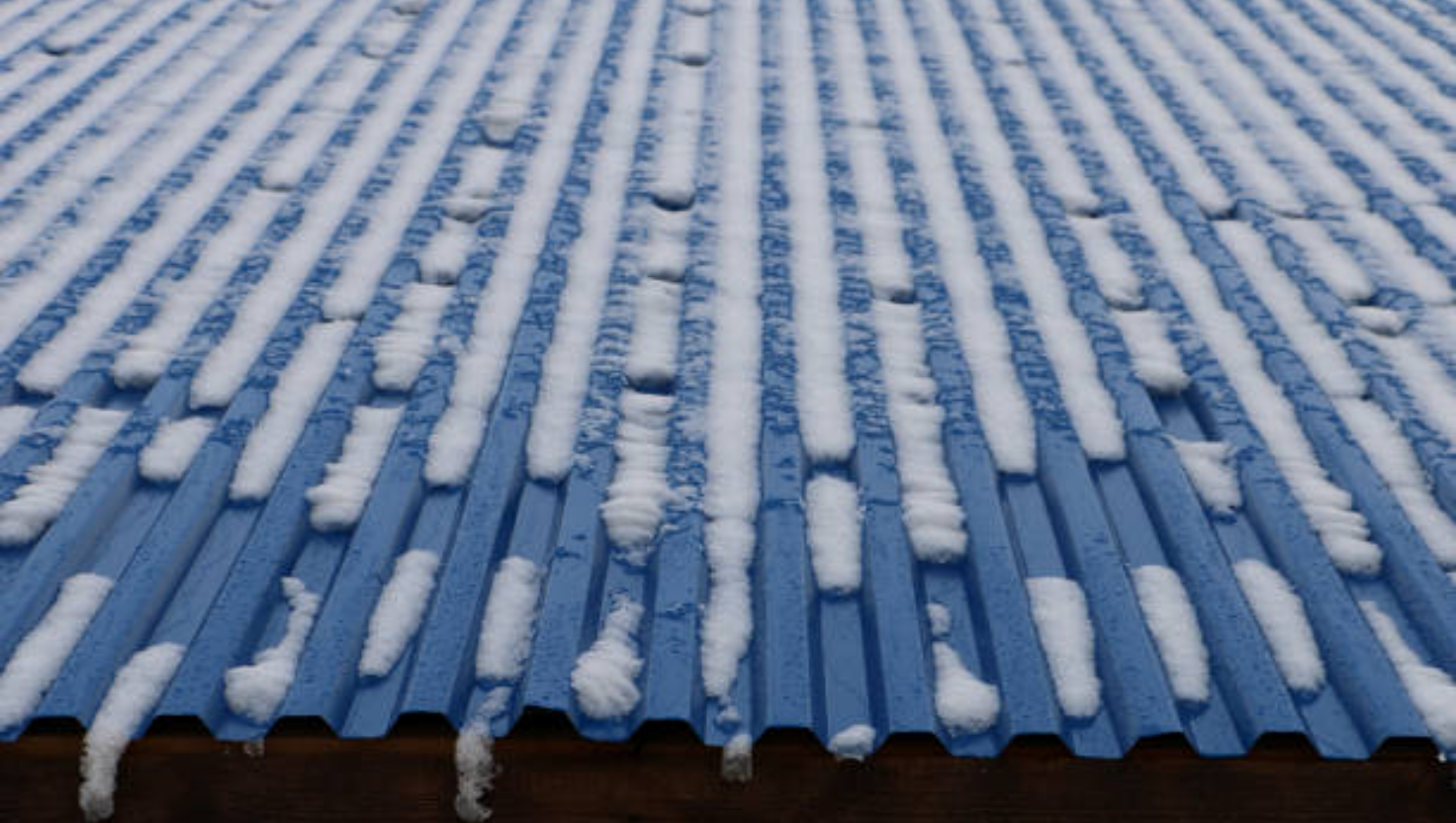
Wyoming winters can be beautiful—snow-covered landscapes, crisp air, and mountain views—but they also bring some of the harshest weather conditions in the region. Heavy snowfall, freezing temperatures, and strong winds can create the perfect environment for unexpected Roof Starts Leaking. When a leak begins during an active snowstorm, the situation can escalate quickly, leading to interior damage, mold growth, and structural issues if not handled promptly.
Knowing what to do in those first critical moments can protect your home and minimize repair costs. At Pete’s Builders, we specialize in emergency roof repair throughout Wyoming’s winter season. If snow or ice begins seeping into your home, here’s how to respond safely and effectively.
Step 1: Contain the Water
Your first priority is to limit interior damage. Move furniture, electronics, and valuables away from the affected area. Place buckets, bins, or large containers under the leak to collect water. If the dripping water splashes or spreads, line the container with a towel to reduce impact.
If the ceiling begins to bulge, use a screwdriver to carefully puncture a small hole at the lowest point. This relieves pressure and helps prevent a sudden ceiling collapse.
Step 2: Reduce Interior Moisture
Roof leaks during Wyoming snowstorms often bring cold, damp air inside. To reduce moisture and prevent additional damage:
- Run fans to improve airflow
- Use a dehumidifier if available
- Keep heating systems running to dry the area more quickly
These steps won’t stop the leak, but they help protect your drywall, flooring, and insulation until professional help arrives.
Step 3: Identify the Source (If It’s Safe)
The most common causes of snow-related roof leaks in Wyoming include:
- Ice dams – Melting snow refreezes along roof edges, forcing water back under the shingles.
- Clogged or frozen gutters – Blocked drainage causes snowmelt to overflow into the home.
- Damaged shingles or flashing – High winds and drifting snow can expose seams or lift shingles.
- Heavy snow accumulation – The weight of compacted snow can create pressure points that lead to leaks.
Avoid climbing onto the roof during active snow, ice, or wind. Instead, use binoculars from the ground or look for water trails indoors to help identify the general area.
Step 4: Apply a Temporary Fix (Only If Safe)
If weather conditions improve and it’s safe to do so, temporary measures can limit water intrusion:
- Tarp the affected area – Cover the section from the ridge down to the gutter. Secure it with boards to keep it in place during wind gusts.
- Use plastic sheeting inside – Tape heavy-duty plastic across the ceiling to direct water into a container.
- Apply temporary sealant – For small, visible gaps, you can use cold-weather roofing sealant—but consider this only a short-term fix.
If a ladder, ice, or snow makes the job unsafe, wait for professional assistance. Winter roofing is hazardous and should be left to trained crews whenever possible.
Step 5: Call a Professional Roofer Immediately
Roofing in winter requires specialized tools, experience, and safety equipment. A professional roofer can:
- Safely access icy or snow-covered roofs
- Diagnose the true cause of the leak
- Apply emergency patches
- Recommend long-term repair or replacement options
Pete’s Builders provides rapid emergency roof repair throughout Wyoming, including Cheyenne, Laramie, Casper, Gillette, and surrounding areas. Our team is trained to manage leaks caused by snow, ice dams, wind damage, and freeze-thaw cycles common in our region.
Why Immediate Action Matters when Roof Starts Leaking
A leak during a snowstorm may start with a slow drip, but delaying repairs can quickly result in:
- Water-soaked insulation
- Mold and mildew growth
- Ceiling and drywall collapse
- Structural issues in rafters or trusses
- Electrical hazards
Acting quickly protects your home from extensive damage and reduces long-term repair costs.
FAQs
1. Can roofers perform repairs in the winter?
Yes. Professional roofing companies like Pete’s Builders have the equipment and experience to handle emergency winter repairs when conditions allow.
2. Is it safe to tarp my roof during a storm?
In most cases, no. Ice, snow, and wind create dangerous conditions. Only apply a tarp if the weather is calm and you can work safely with proper equipment.
3. Does insurance cover roof leaks from snow or ice?
Many policies cover storm-related damage, but not leaks caused by lack of maintenance. Document everything and review your policy for specific coverage details.
4. Are ceiling stains always a sign of a roof leak?
Not always. Plumbing issues or condensation can cause similar stains. If stains appear during or after snow, schedule a roof inspection.
5. How do I prevent winter roof leaks?
Before winter, schedule a professional inspection, keep gutters clear, check for damaged shingles, and make sure attic insulation is adequate to help prevent ice dams.
Don’t Wait Until a Leak Becomes an Emergency
If your roof begins leaking during a Wyoming snowstorm, Pete’s Builders is ready to help. We offer emergency roof repair, winter inspections, ice-dam mitigation, and long-term solutions to keep your home safe, dry, and protected all season long.
Contact Pete’s Builders today to request emergency service or schedule a winter roofing assessment. Our team will help you get through even the toughest Wyoming storms—with reliable protection, expert workmanship, and trusted service.