

Hail damage restoration repairs or replaces a Cheyenne roof after a hailstorm bruises shingles, strips granules, or dents metal. Cheyenne sits in one of the most hail-prone regions in the country, and because much hail damage is invisible from the ground, a documented inspection is the first step to a sound roof and a fair insurance claim.
Quick answer
Hail bruises shingles, knocks off protective granules, fractures the shingle mat, and dents metal — often invisibly from the ground. After a Cheyenne hailstorm: document the damage, contact your insurer, and get a documented professional inspection. Restoration may be a targeted repair or a full replacement, depending on severity.
| Hail restoration | Detail |
|---|---|
| Hail frequency | Cheyenne: 6+ severe-hail days/yr (NWS) |
| Region | “Hail Alley” — ~7–9 hail days/yr (NSSL) |
| Damage signs | Bruising, granule loss, fractures, metal dents |
| Visibility | Often invisible from the ground |
| Next step | Documented inspection + insurance claim |
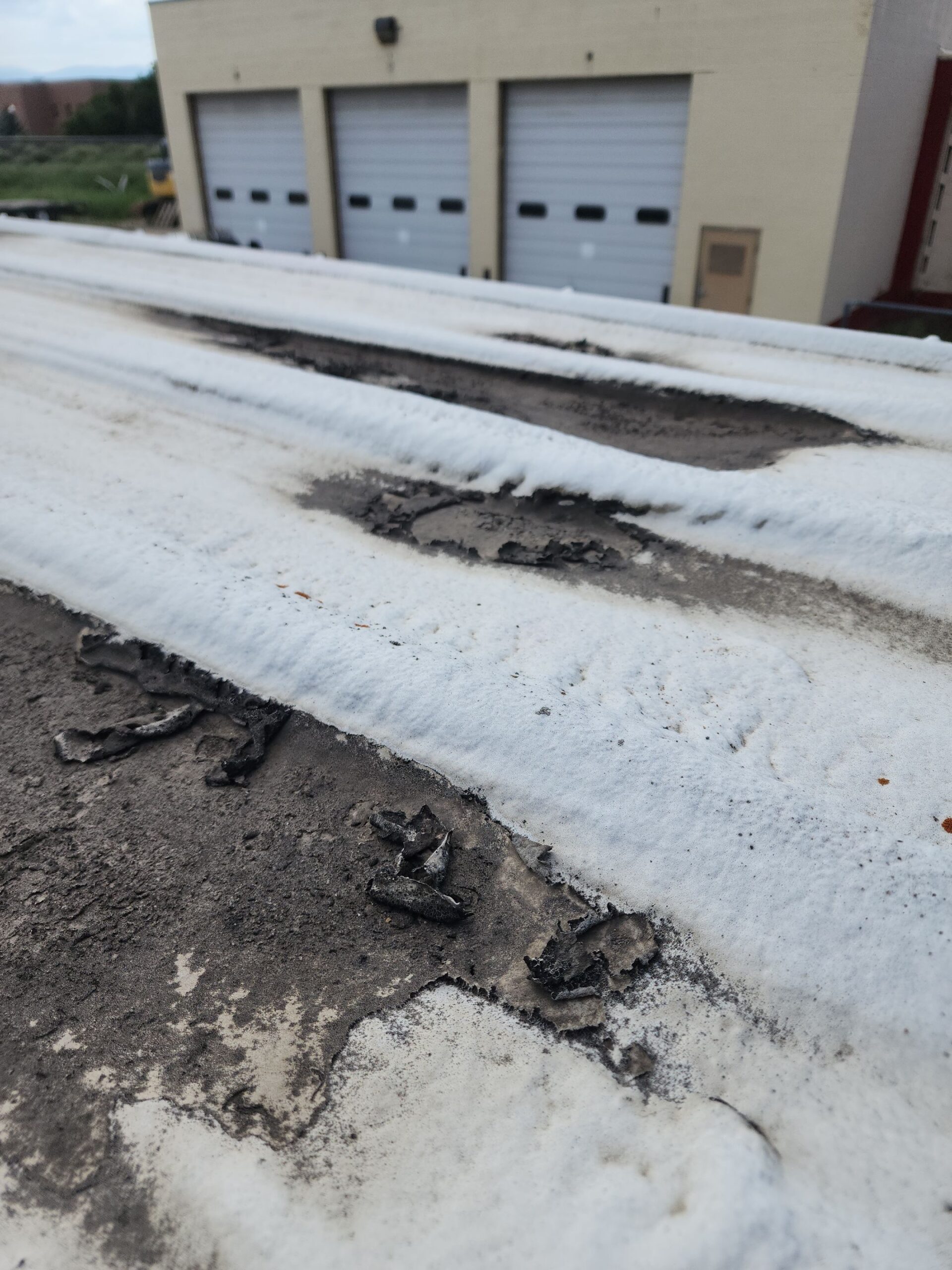
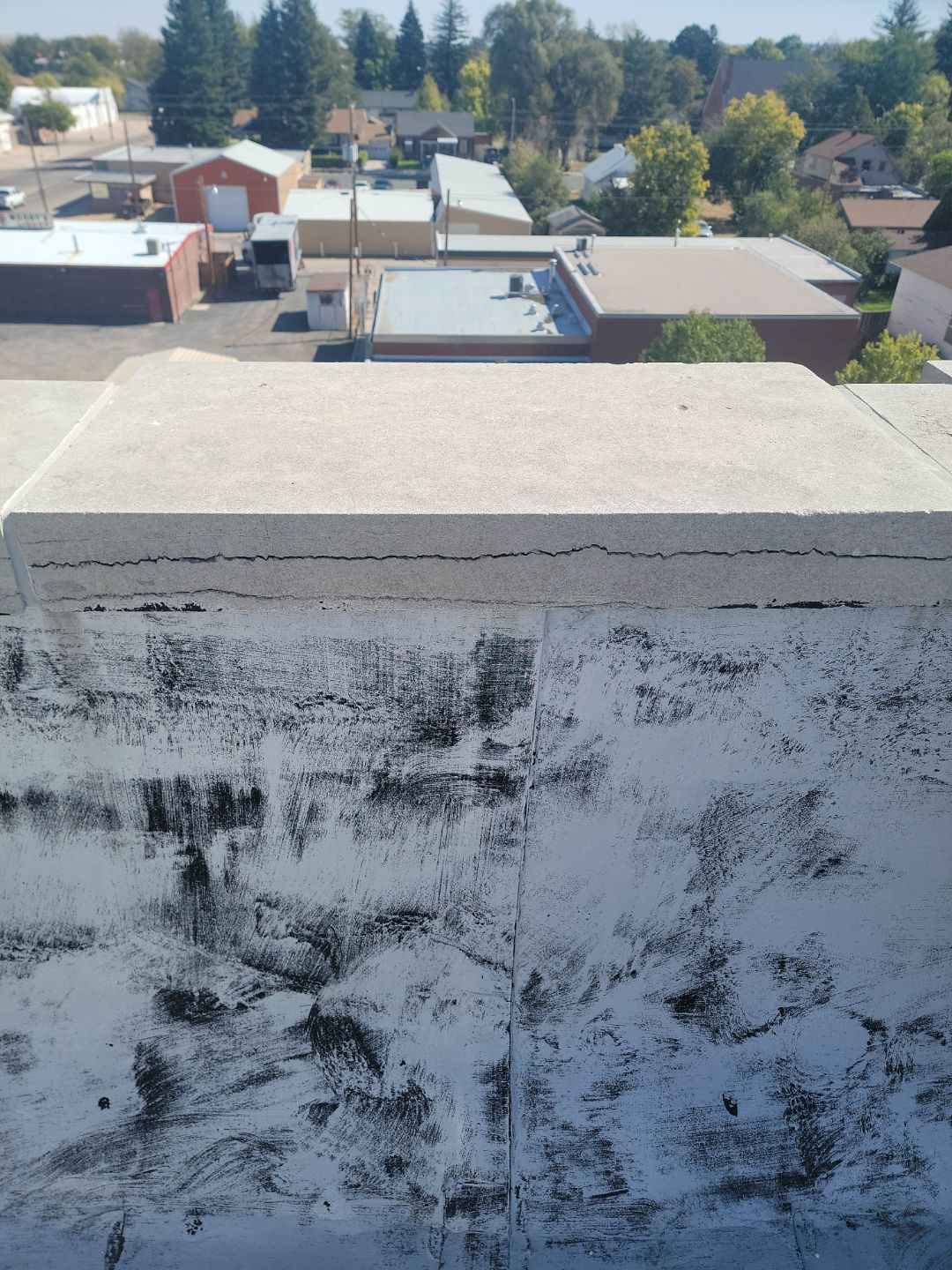
Look for random bruising and soft spots, missing granules collecting in gutters and downspouts, fractured shingle mats, and dents on metal flashing, vents, and gutters. IBHS research shows even repeated smaller “sub-severe” hail makes shingles far more vulnerable over time — so damage can be real after a storm that didn’t look severe. Learn to tell it apart in hail vs. wind damage.
The National Weather Service reports the Cheyenne area sees over six days a year with severe hail (one inch or larger), peaking in June, and the National Severe Storms Laboratory places the region in “Hail Alley,” which averages about seven to nine hail days a year — among the most in North America.
Standard policies generally cover sudden hail damage, but your payout depends on ACV vs. RCV, your deductible, and roof age. See what insurance covers in Wyoming and how to file your roof insurance claim. And beware anyone offering to “cover your deductible” — that’s illegal in Wyoming (here’s why).
Related guides: complete hail & storm damage guide · what to do after hail damage · Cheyenne hail storms. Related services: storm damage restoration · emergency roof repair · free roof assessment.
Written & reviewed by the Pete’s Builders team
Pete’s Builders is a locally owned Cheyenne, Wyoming roofing contractor serving homeowners and businesses since 2015. Our crews inspect, document, and repair hail- and wind-damaged roofs across Cheyenne, Laramie, Burns, and Scottsbluff through every storm season, and we help homeowners document damage for their insurance claims. We are licensed & insured, A+ rated by the BBB, an NRCA member, and OSHA-30 certified.
📍 1816 Central Ave, Cheyenne, WY 82001 · 📞 (307) 514-5489
This guide is general information, not legal or insurance advice. Coverage, deadlines, and deductibles vary by policy — always read your own policy and, when in doubt, contact the Wyoming Department of Insurance.
Look for random bruising and soft spots on shingles, missing granules (often collecting in gutters), fractured shingle mats, and dents on metal flashing and vents. Much of this is hard to see from the ground, so a documented professional inspection is the reliable way to confirm hail damage.
Very common. The National Weather Service reports the Cheyenne area sees over six days a year with severe hail (1 inch or larger), peaking in June, and NSSL places the region in “Hail Alley,” which averages about seven to nine hail days a year.
Generally yes for sudden hail damage, though payout depends on ACV vs. RCV, your deductible, and roof age. See our Wyoming coverage and claims guides for details.
It depends on the severity and extent of the damage — a documented inspection determines repair vs. replacement. Impact-rated (UL 2218 Class 4) shingles better resist future hail.