
Asphalt roll roofing is an affordable, quick-to-install material made from the same asphalt-and-mineral composition as shingles, but supplied in large rolls — best suited to low-slope roofs on sheds, garages, porches, and outbuildings rather than main house roofs. Its main advantages are low cost and fast installation; its main drawback is a shorter lifespan than shingles or metal. Knowing where roll roofing makes sense — and where it doesn’t — saves you money and disappointment. Pete’s Builders helps homeowners across Cheyenne, Laramie, and Scottsbluff choose the right roofing for each structure, including roll roofing where it fits.
Quick answer
Asphalt shingles are the most common residential roofing — affordable, versatile, and available in architectural and impact-rated grades that better resist Wyoming’s hail and wind. A quality shingle roof typically lasts 15–30 years depending on grade and conditions.
| Shingle factor | Detail |
|---|---|
| Cost | Most affordable common option |
| Grades | 3-tab, architectural, impact-rated |
| Lifespan | 15–30 years typical |
| WY tip | Impact-rated resists hail & wind better |
| Styles | Many colors & profiles |
What is asphalt roll roofing?
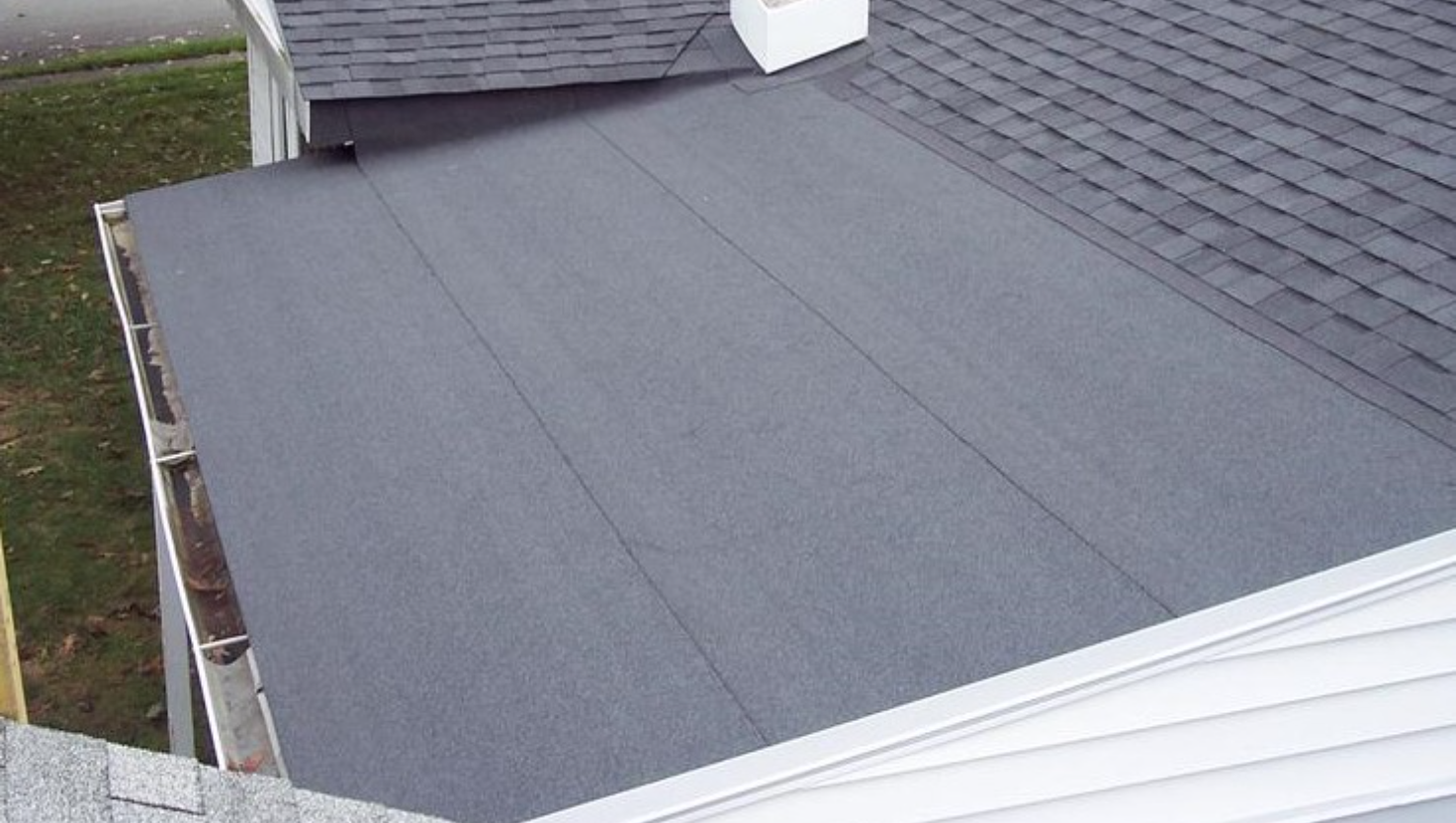
Asphalt roll roofing (sometimes called MSR, for mineral-surfaced roll) is a roofing material made of the same asphalt and mineral granules as traditional shingles, but manufactured in long rolls typically about three feet wide. Instead of installing many individual shingles, a roofer rolls out and fastens large sheets, covering a roof quickly. It’s most commonly used on low-slope roofs where shingles aren’t ideal and where cost and speed matter more than longevity or appearance — think sheds, detached garages, workshops, porches, and other outbuildings.
What are the advantages of roll roofing?
- Low cost. Roll roofing is one of the most affordable roofing materials available.
- Fast installation. Large sheets cover a roof far quicker than individual shingles, lowering labor costs.
- Lightweight. Easy to handle and transport.
- Good for low slopes. Works on gentle pitches where standard shingles may not perform well.
- Simple repairs. Small damaged sections can be patched relatively easily.
For a budget project on a secondary structure, these advantages make roll roofing a practical, sensible choice.
What are the disadvantages of roll roofing?
- Shorter lifespan. Roll roofing typically lasts far fewer years than quality shingles or metal.
- Less durable. It’s more vulnerable to weather, cracking, and hail than thicker materials — a real consideration in Wyoming.
- Basic appearance. It has a flat, utilitarian look that most homeowners don’t want on a main house.
- Fewer color options. Limited compared with shingles.
- May lower resale appeal if used on a primary roof.
These trade-offs are exactly why roll roofing is best kept to outbuildings rather than your home’s main roof.
How much does roll roofing cost?
Roll roofing is among the least expensive roofing options, both in material and in labor, since it installs so quickly. The exact cost depends on the roof’s size, the number of layers, and site conditions, but for a small shed or garage it’s typically a very affordable project. That low cost is the material’s main appeal — but remember to weigh it against the shorter lifespan. On a structure you plan to keep and protect long-term, a slightly higher investment in shingles or metal often costs less over the years. A written estimate from a professional gives you the real number for your project.
How is roll roofing installed?
Installation is straightforward but still benefits from doing it right. The roofer prepares the deck and installs appropriate underlayment, then rolls out the material and fastens it — using nails, adhesive, or the torch-down method depending on the product — with overlapping seams sealed to keep water out. Proper seam sealing and edge detailing are critical, because seams are where roll roofing most often fails. While roll roofing is more DIY-friendly than most roofing, correct preparation, fastening, and sealing still determine whether it lasts its full life or leaks early.
When should you use roll roofing — and when shouldn’t you?
Good uses: sheds, detached garages, workshops, barns, porches, and other low-slope outbuildings where budget and speed matter and appearance and longevity are secondary. Poor uses: your main house roof, steep-sloped roofs (it’s designed for low slopes), and anywhere you want long-term durability, curb appeal, or strong hail resistance. In Wyoming specifically, roll roofing’s limited hail and weather resistance make it a poor choice for a primary residence — but a perfectly reasonable one for the shed out back.
Why choose Pete’s Builders?
Pete’s Builders gives you honest advice about which roofing material fits each structure — recommending roll roofing where it makes sense and steering you toward shingles or metal where those deliver better value. With licensed, insured crews, an A+ Better Business Bureau rating, and a local track record since 2015, every project starts with an inspection and a written estimate. Service covers Cheyenne, Laramie, Scottsbluff, and surrounding communities.
How does roll roofing compare to other roofing materials?
Seeing roll roofing next to the alternatives makes its role clear. Compared with asphalt shingles, roll roofing is cheaper and faster to install but noticeably less durable, shorter-lived, and more basic in appearance — which is why shingles remain the standard for main house roofs. Compared with metal roofing, the gap is even wider: metal costs far more upfront but lasts for decades and shrugs off snow, wind, and hail, while roll roofing is a short-term, budget solution. Compared with commercial membranes like TPO, EPDM, or PVC, roll roofing is a simpler, cheaper low-slope option but lacks the longevity and performance those systems bring to buildings that need to stay watertight for the long haul. The honest takeaway is that roll roofing isn’t trying to compete with these materials on a primary structure — it fills a specific niche: covering low-slope outbuildings quickly and affordably. Choosing the right material for each structure, rather than defaulting to the cheapest or the most expensive everywhere, is how you get the best value across your whole property.
Frequently asked questions
What is asphalt roll roofing used for?
Roll roofing is best used on low-slope secondary structures — sheds, detached garages, workshops, porches, and outbuildings — where low cost and fast installation matter more than longevity or appearance. It’s not recommended for main house roofs.
How long does roll roofing last?
Roll roofing typically lasts far fewer years than quality shingles or metal. Its lifespan depends on installation quality and weather exposure, and it’s more vulnerable to hail and weather than thicker materials.
Is roll roofing cheaper than shingles?
Yes. Roll roofing is one of the most affordable roofing materials, both in material and labor, because it installs quickly. However, its shorter lifespan means shingles or metal often cost less over time on a structure you plan to keep.
Can roll roofing be used on a house?
It can, but it’s generally not recommended for a main house roof due to its shorter lifespan, basic appearance, and limited hail resistance. It’s better suited to outbuildings and low-slope secondary structures.
How do I get advice on the right roofing material?
Call Pete’s Builders at (307) 514-5489 for honest guidance on the best roofing material for your structure and budget, plus a written estimate.
Need roofing for a shed, garage, or outbuilding?
Pete’s Builders helps you choose — and install — the right material for every structure, from roll roofing to shingles to metal. Call (307) 514-5489 or visit 1816 Central Ave, Cheyenne, WY 82001 today.