
The best roof types for homes in high-snowfall areas are standing-seam metal and steep-pitched asphalt shingle roofs — both shed snow effectively — paired with proper attic ventilation, quality underlayment, and a structure rated for the snow load. Metal is the strongest performer because snow slides off easily and it resists ice-dam damage, while impact-resistant asphalt shingles offer a more affordable option that performs well on a steeper pitch. In snowy, windy Wyoming, the material is only half the equation — pitch, ventilation, and installation quality decide whether a roof lasts. Pete’s Builders installs roofs built for snow country across Cheyenne, Laramie, and Scottsbluff.
Quick answer
The best roofing material for the Cheyenne area is one that stands up to wind, hail, and snow load: metal — especially standing seam — leads for longevity and weather resistance, while impact-rated architectural shingles offer a budget-friendly, durable option. Flat roofs use single-ply membranes.
| Material | Strength in WY |
|---|---|
| Standing-seam metal | Sheds snow, resists wind & hail; 40–70 yrs |
| Impact-rated shingles | Affordable, better hail resistance |
| Other metal | Durable, low maintenance |
| Single-ply membranes | Best for flat/low-slope |
| Match to | Climate, budget & roof slope |
Why is snow so hard on a roof?
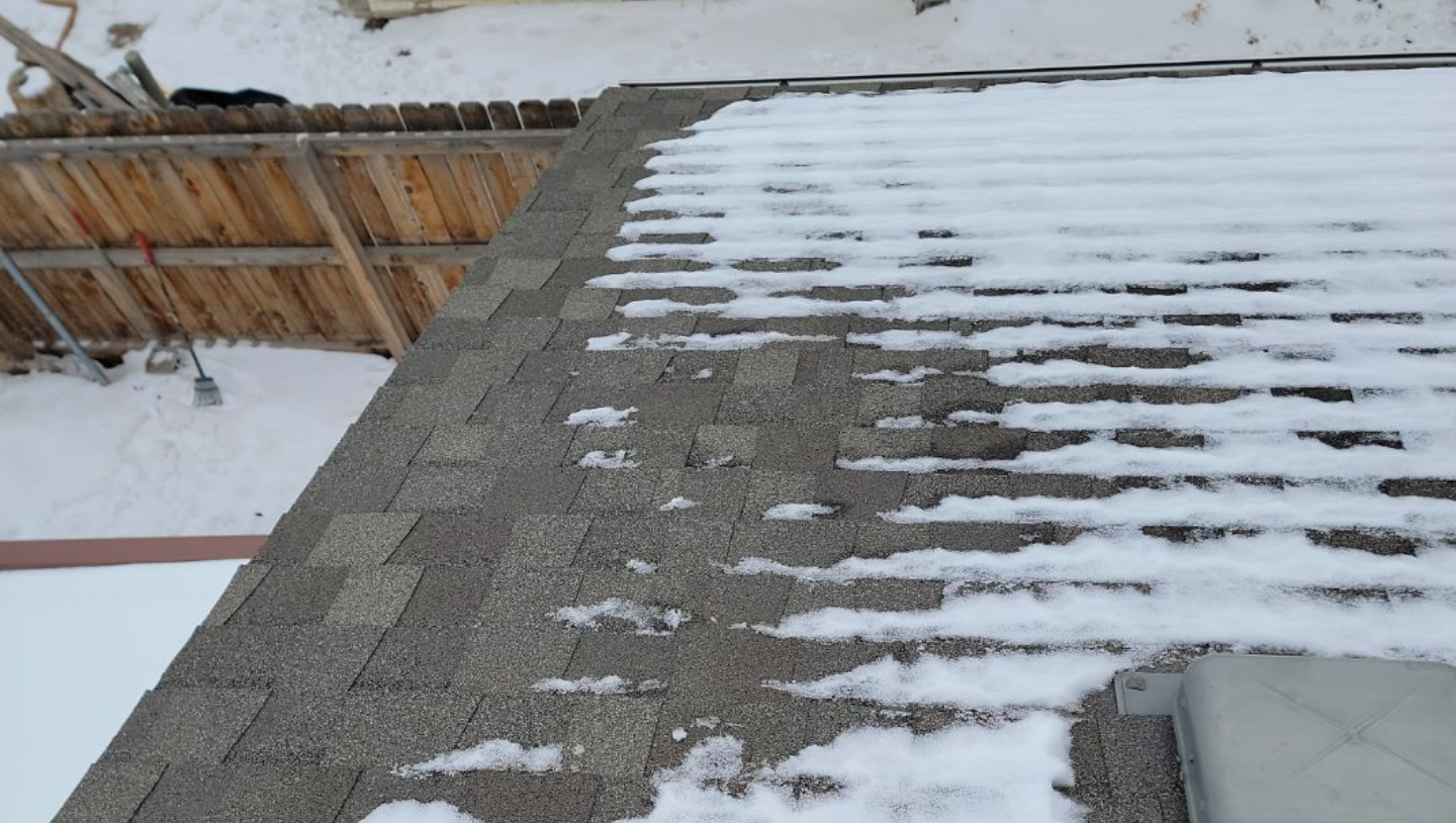
Snow does more than sit there. Accumulated snow adds significant weight that stresses the roof structure. As it melts and refreezes, it forms ice dams at the eaves that force water backward under the shingles and into the home. Repeated freeze-thaw cycles work at every seam and fastener. And when snow finally slides, it can damage gutters and anything below. In Cheyenne, snow arrives alongside high winds and hail, so a roof here has to handle several stresses at once — which is why snow-country roofing decisions matter more than in mild climates.
What are the best roof types for high-snowfall areas?
- Standing-seam metal — the top performer. Its smooth, continuous surface lets snow slide off before it accumulates and freezes, and its concealed fasteners resist wind uplift and leaks. It’s extremely durable, low-maintenance, and often lasts decades — ideal for heavy snow.
- Asphalt shingles on a steep pitch — the value choice. Affordable and widely available, and effective in snow when installed on a good pitch with quality underlayment. Impact-resistant (Class 4) grades add hail protection, which matters in Wyoming.
- Slate and synthetic slate — premium longevity. Very durable and long-lived, though heavy and costly, requiring a structure that can carry the weight.
- Avoid low-slope on homes in snow country. Flat and low-pitch residential roofs trap snow and meltwater and are far more prone to leaks and load problems.
Why does roof pitch matter so much in snow country?
Pitch is arguably as important as material. A steeper roof sheds snow by gravity, so less accumulates, less weight builds up, and there’s less opportunity for meltwater to refreeze at the edges. A shallow roof holds snow, letting it pile, compress, and melt slowly — the exact conditions that create ice dams and leaks. This is why a metal roof on a decent pitch is such a strong combination in Wyoming: the surface is slick and the slope does the work. If you’re building or replacing, pitch should be part of the conversation, not an afterthought.
What about ice dams?
Ice dams form when heat escaping from the house melts snow on the upper roof; the water runs down and refreezes at the cold eaves, building a ridge of ice that traps more water — which then backs up under the shingles and into the home. The fix is less about the roofing material and more about attic ventilation and insulation: keeping the roof deck cold and uniform stops the melt-refreeze cycle at its source. Quality ice-and-water underlayment along the eaves adds a critical second line of defense. Any roofer working in snow country should address all three.
What features matter beyond the material?
- Attic ventilation — keeps the deck cold and prevents ice dams.
- Insulation — stops heat loss that drives snowmelt and raises energy bills.
- Ice-and-water shield underlayment — protects the vulnerable eaves and valleys.
- Snow guards — control where snow slides off metal roofs, protecting gutters, walkways, and landscaping.
- Structural snow-load capacity — the roof must be rated for the region’s load.
- Quality flashing — sealing the joints where meltwater finds any gap.
What’s best for Wyoming homes specifically?
For most Cheyenne-area homes, the sweet spot is either standing-seam metal (best long-term performance in snow and wind, higher upfront cost) or impact-resistant asphalt shingles on a good pitch (excellent value, plus hail protection that may earn an insurance discount). Because Wyoming brings hail and high wind alongside snow, impact and wind ratings matter as much as snow-shedding. The right answer depends on your home, your pitch, and your budget — which a professional assessment settles quickly.
Why choose Pete’s Builders?
Pete’s Builders installs metal and asphalt shingle roofing built for Wyoming’s snow, hail, and wind, with licensed, insured crews, an A+ Better Business Bureau rating, and a local track record since 2015. Every project starts with an honest assessment and a written estimate, and installation includes the ventilation, underlayment, and flashing details that make a snow-country roof last. Service covers Cheyenne, Laramie, Scottsbluff, and surrounding communities.
Frequently asked questions
What is the best roof for heavy snow?
Standing-seam metal is generally the best roof for heavy snow because snow slides off its smooth surface before it accumulates and freezes, and it resists wind and lasts for decades. Steep-pitched asphalt shingles are a strong, more affordable alternative.
Is a metal roof better than shingles in snow?
Yes, in most cases. Metal sheds snow more effectively, resists ice-dam damage, and lasts longer, though it costs more upfront. Quality shingles on a good pitch still perform well and offer better value.
How do I prevent ice dams?
Improve attic ventilation and insulation to keep the roof deck cold and stop the melt-refreeze cycle, and ensure ice-and-water shield underlayment protects the eaves. These matter more than the roofing material itself.
What roof pitch is best for snow?
A steeper pitch is better because it sheds snow by gravity, reducing accumulation, weight, and ice-dam risk. Low-slope roofs trap snow and meltwater and are poorly suited to snowy residential use.
How do I choose the right roof for my Wyoming home?
Call Pete’s Builders at (307) 514-5489 for an assessment that weighs your home, pitch, and budget against Wyoming’s snow, hail, and wind — plus a written estimate.
Build a roof that handles Wyoming winters
Snow, hail, and wind demand the right material and the right installation. Pete’s Builders delivers both. Call (307) 514-5489 or visit 1816 Central Ave, Cheyenne, WY 82001 to schedule your assessment today.