
The best roofing materials for Cheyenne’s high winds are standing-seam metal and wind-rated architectural (or impact-resistant) asphalt shingles. Both are built to resist the uplift that tears off cheaper roofs. Cheyenne is one of the windiest cities in the country, so choosing wind-resistant roofing — and having it installed correctly — is the single biggest factor in how long your roof lasts. Here’s how the top materials compare.
Quick answer
The best roofing materials for Cheyenne’s high winds are standing-seam metal and wind-rated architectural (Class 4 impact-resistant) asphalt shingles — both resist the uplift that tears off cheaper roofs. Correct installation matters as much as the material.
| Material | High-wind & hail suitability |
|---|---|
| Standing-seam metal | Excellent — concealed fasteners resist uplift; sheds snow |
| Class 4 / architectural asphalt shingle | Very good — wind- and impact-rated |
| 3-tab asphalt shingle | Weak — not recommended for Cheyenne wind |
Key takeaway: Material matters, but installation matters just as much. Even the best shingle fails early if the fastening and edges aren’t done right for high wind. Choose both a wind-rated material and a local roofer who installs for Wyoming conditions.
Why wind-resistant roofing matters in Cheyenne
Cheyenne regularly sees chinook gusts well over 50 mph, and open plains give wind a running start at your roof. Wind doesn’t just blow shingles off — it creates uplift pressure that breaks sealant bonds, loosens fasteners, and lifts edges and ridges, letting water underneath. A roof built for high wind protects against leaks, structural damage, and premature replacement.
The best roofing materials for high winds
1. Standing-seam metal — the ultimate wind fighter
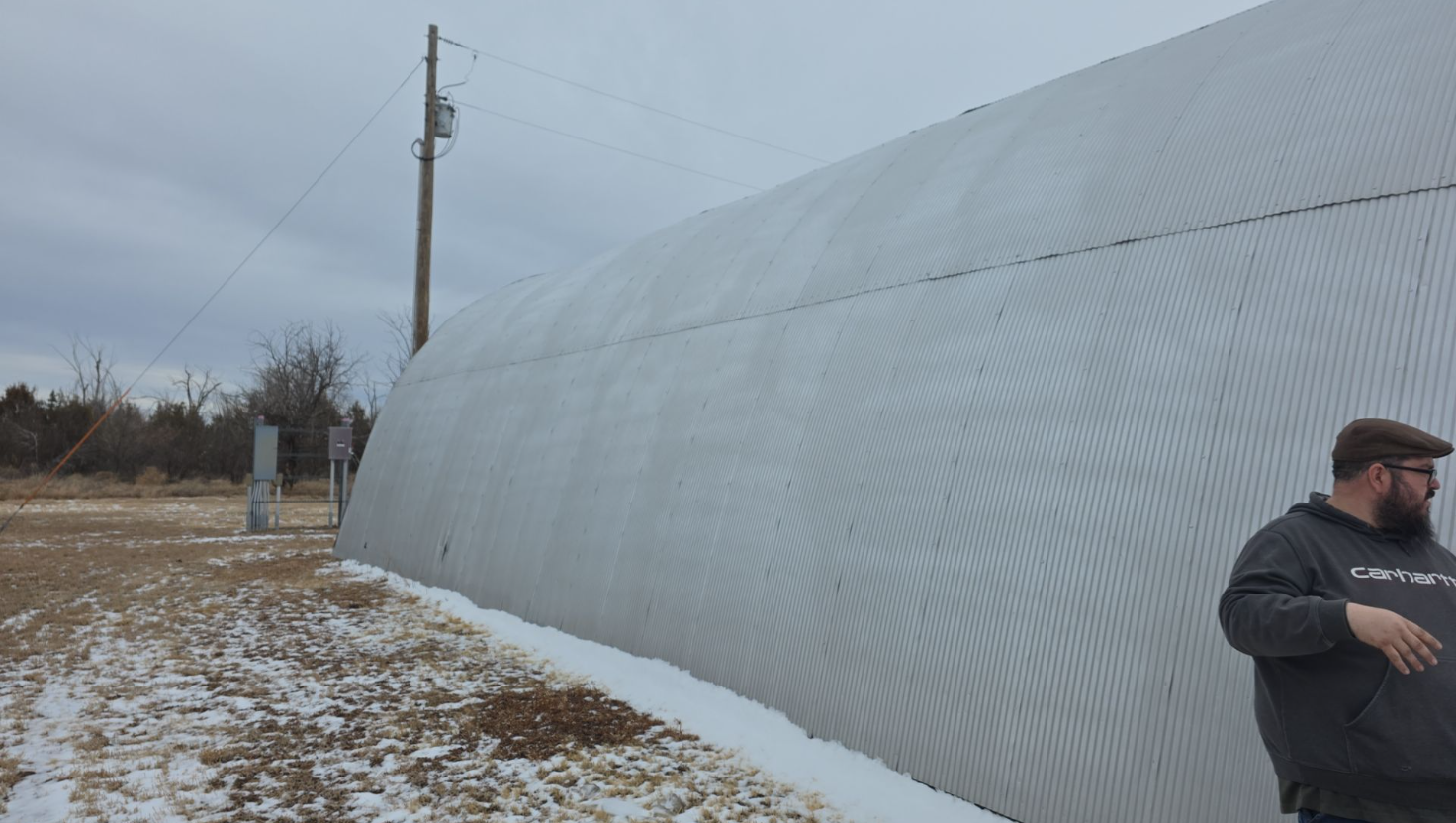
Interlocking metal panels with hidden fasteners give the fewest points for wind to grab. Metal roofs routinely handle 110–140+ mph wind ratings, last 40–70 years, and shed Cheyenne’s snow. Higher upfront cost, but the best long-term performance in Wyoming’s climate.
2. Wind-rated architectural asphalt shingles
The most popular choice for Cheyenne homes — thicker and heavier than basic 3-tab shingles, with wind ratings up to 110–130 mph when properly installed. Great balance of cost, durability, and looks.
3. Impact-resistant (Class 4) shingles
Architectural shingles engineered to resist hail impact as well as wind — a smart pick in Cheyenne’s hail belt, and many Wyoming insurers offer a premium discount for them.
4. Concrete and synthetic tile
Heavy and durable, tile resists wind well but requires a structure that can carry the weight — better suited to some builds than others.
5. Membrane systems for flat/low-slope roofs
For flat commercial and some residential roofs, mechanically fastened or fully adhered TPO, EPDM, and modified bitumen resist wind uplift when installed to spec.
Material comparison at a glance
| Material | Wind performance | Lifespan | Upfront cost |
|---|---|---|---|
| Standing-seam metal | Excellent | 40–70 yrs | Higher |
| Wind-rated architectural shingles | Very good | 20–30 yrs | Moderate |
| Impact-resistant (Class 4) shingles | Very good + hail | 25–30 yrs | Moderate-high |
| Concrete/synthetic tile | Good (needs support) | 40+ yrs | High |
What actually makes a roof wind-resistant
The material is only half the story. Wind resistance also depends on:
- Wind rating — look for shingles rated for high wind (Class F / 110–150 mph).
- Proper nailing — the correct number and placement of fasteners is the #1 install factor.
- Sealed edges and starter strips — the roof’s perimeter is where wind gets underneath.
- Quality underlayment — a secondary barrier if the surface is compromised.
- Correct flashing at ridges, valleys, and penetrations.
This is why a poorly installed premium shingle can fail before a well-installed mid-range one.
Which roofing material is best for your Cheyenne home?
If you plan to stay long term and want the strongest performance, standing-seam metal is hard to beat. If you want the best balance of cost and durability, wind-rated architectural shingles — ideally impact-resistant Class 4 for hail — are the go-to for most Cheyenne homes. The right choice depends on your budget, roof slope, and how long you’ll own the home. A local roofer can help you compare options for your specific roof.
How much do wind-resistant roofs cost in Cheyenne?
Cost depends on the material, roof size and pitch, and complexity. Wind-rated architectural shingles are the most budget-friendly of the high-performance options; impact-resistant (Class 4) shingles cost a bit more but add hail protection and possible insurance savings; standing-seam metal is the biggest upfront investment but lasts the longest, often making it the best value per year of service. The only way to know your exact number is a free, on-site estimate — and for storm-damaged roofs, much of the cost may be covered by insurance.
Signs your current roof isn’t handling Cheyenne’s wind
If your existing roof is struggling with Wyoming’s wind, it usually shows:
- Shingles that lift, curl, or go missing after windstorms
- Granules building up in gutters and at downspouts
- Loose or bent flashing and drip edge
- Repeated repairs in the same spots
- Interior stains after wind-driven rain
If you’re seeing these signs, it may be time to upgrade to a wind-resistant material before the next big storm.
Frequently asked questions
What roofing material holds up best in high winds?
Standing-seam metal generally performs best, followed by wind-rated architectural and impact-resistant shingles. Correct installation is essential for any of them.
What wind rating do I need in Cheyenne?
Look for materials rated for at least 110–130 mph. Higher is better given Cheyenne’s frequent high winds.
Are impact-resistant shingles worth it here?
Yes — Cheyenne gets both wind and hail, and Class 4 shingles resist both. They may also qualify for an insurance discount.
Is metal or shingle better for a windy area?
Metal has the edge for pure wind and longevity; wind-rated shingles offer a lower upfront cost with strong performance. Both are good choices when installed correctly.
Can wind void my roof warranty?
Improper installation can. Manufacturer wind warranties depend on correct fastening and installation, which is another reason to use an experienced local roofer.
Does a wind-resistant roof lower my insurance?
Sometimes — impact- and wind-resistant roofing may qualify for a discount with some Wyoming insurers. It’s worth asking your provider.
How long does a wind-rated roof last in Cheyenne?
Wind-rated architectural shingles typically last 20–30 years here, and standing-seam metal 40–70 — both longer when properly maintained and installed.
Can I upgrade to a wind-resistant roof through an insurance claim?
If a storm damaged your roof, your claim may cover a replacement — and you can often upgrade to a more wind- or impact-resistant material by paying the cost difference. We document the damage and help you understand your options.
Not sure which roof is right for your Cheyenne home? Call Pete’s Builders at (307) 514-5489 for a free roofing consultation and estimate. Serving Cheyenne, Laramie, and nearby Wyoming and Nebraska communities.