
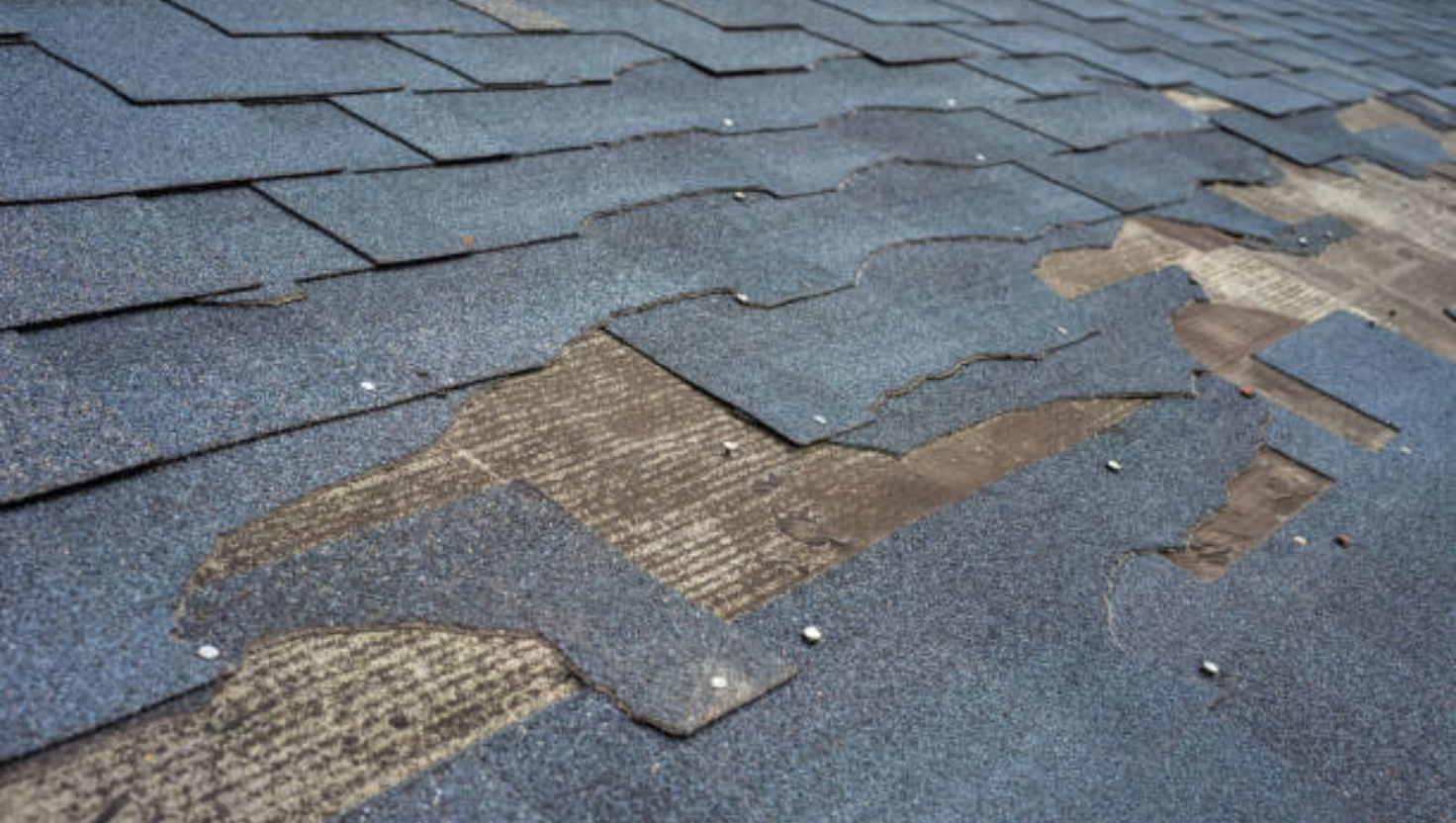
Cheyenne hail storm damage often hides in plain sight. After a hailstorm, look for asphalt-shingle bruising, scattered granules in gutters and downspouts, and dents on soft metal like flashing, valleys, roof vents, and gutter aprons. Much of this is invisible from the ground, so damage frequently goes unnoticed until leaks appear. If your Cheyenne home took a hit, document everything, get a professional roof inspection, and file your insurance claim promptly. Pete’s Builders provides hail damage roof assessments across Cheyenne and Laramie County and can help you navigate the claims process. Call (307) 514-5489 to schedule an inspection.
Quick answer
After a Cheyenne storm, act fast: stop active leaks, document damage with photos, and get a professional inspection — much wind and hail damage is invisible from the ground. Pete’s Builders provides storm-damage repair and restoration and documents everything for insurance claims.
| Storm response | Detail |
|---|---|
| Stop leaks | Temporary cover to halt water |
| Document | Photos for your insurance claim |
| Inspect | Professional check for hidden damage |
| Repair / restore | Fix damage before it spreads |
| Service area | Cheyenne & SE Wyoming |
How do you identify hail damage on a Cheyenne roof?
Cheyenne sits squarely in the high plains “Hail Alley,” where storms rolling off the Front Range regularly pelt roofs from late spring through early fall. Hail impacts leave signatures that trained eyes recognize but homeowners often miss.
On asphalt shingles, look for round bruises where the granule surface is knocked away, exposing the darker mat underneath. These soft spots feel like a bruise on an apple. Fresh, random granule loss, not the even wear of an aging roof, is a key tell.
Metal surfaces show damage more plainly. Check flashing, vent hoods, gutter aprons, and any exposed valleys for small dents and dimples. Because these signs sit high on the roof plane and rarely appear from the driveway, a ladder-level or on-roof inspection is the only reliable way to confirm hail damage.
Why can’t you see hail damage from the ground?
Most Cheyenne roofs are pitched, so the impact zone faces the sky, not the street. From below you only see the shingle edges and the underside of the eaves.
Bruising and granule loss are subtle. A roof can look perfectly fine from your yard on Pershing Boulevard or Dell Range while the field of the shingle is quietly compromised. Left alone, those bruised spots break down faster under chinook winds and repeated freeze-thaw cycles.
This is exactly why a post-storm professional inspection matters. What reads as “no damage” from the ground may be a roof with a shortened lifespan and a valid, time-sensitive insurance claim.
What should you do right after a hailstorm in Cheyenne?
Once the storm passes and it is safe, start from the ground. Walk your property and photograph obvious signs, then look for clues that point to roof impact.
- Check gutters and splash blocks for piles of loose granules.
- Inspect gutters, downspouts, window wraps, and your AC condenser for dents.
- Look at painted wood, fascia, and deck furniture for chips or bruising.
- Note the storm date and keep any local weather alerts you received.
- Peek in the attic for daylight, damp insulation, or water stains.
Do not climb onto a wet or steep roof yourself. Leave the roof-level assessment to a licensed contractor who can safely confirm and photograph the damage.
How do you document hail damage for an insurance claim?
Good documentation is what turns a suspected problem into an approved claim. Insurers want clear, dated evidence tied to a specific storm event.
Take wide shots showing the whole elevation, then close-ups of individual dents and bruises with a coin or chalk circle for scale. Photograph collateral damage too, since dented gutters, screens, and vents corroborate that hail hit the property. Keep a written log of the storm date and everything you observe.
A professional inspection report strengthens the file further. Pete’s Builders provides itemized documentation and photos our Cheyenne clients can submit alongside their claim, giving the adjuster a complete picture of the loss.
How does filing a hail insurance claim work?
Most Wyoming homeowners policies cover sudden hail damage, though deductibles and windstorm terms vary. Start by reviewing your policy, then contact your carrier to open a claim and request an adjuster visit.
It helps to have your contractor present when the adjuster inspects. That way, damage on the roof plane, in the valleys, and on the flashing is pointed out and agreed on in person rather than debated later. Pete’s Builders regularly meets adjusters on-site across Cheyenne, Laramie, and Burns to make sure nothing legitimate is overlooked.
Act promptly. Many policies limit how long you have to report storm damage, so a roof hit during a June or July storm should not wait until winter.
Repair or replace: which does hail damage need?
The answer depends on how widespread the impacts are and the age of your roof. Isolated damage on a newer roof, such as a few dented vents or a small section of shingles, can often be repaired.
Widespread bruising, heavy granule loss across multiple slopes, or damage to an older roof usually points to full replacement. An adjuster typically counts hits within test squares on each slope to gauge severity. A qualified Cheyenne roofer can walk you through both options and the long-term cost of each on our high-plains climate.
How do you avoid storm chasers in Cheyenne?
After a big storm, out-of-town crews flood Cheyenne neighborhoods from Sun Valley to the Cole Addition, knocking on doors and pressuring homeowners to sign fast. Many disappear once the check clears, leaving no warranty and no local address.
Protect yourself by hiring a licensed and insured local contractor with a permanent Cheyenne location. Never pay in full up front, never let anyone “waive” your deductible, and get the scope in writing. A roofer rooted in Laramie County will still be here when you need service years from now.
Frequently asked questions about Cheyenne hail damage
How soon after a hailstorm should I get my roof inspected?
As soon as it is safe, ideally within a few days. Prompt inspection catches damage early and keeps you inside most insurance reporting deadlines.
Does hail always cause visible leaks?
No. Hail often bruises shingles and strips granules without an immediate leak. The weakened area can fail months later, which is why early assessment matters.
Will filing a hail claim raise my rates?
Hail is typically treated as a non-fault weather event, but terms differ by carrier and policy. Review your specific coverage and deductible with your insurer before filing.
Can I inspect the roof myself?
You can safely check gutters, downspouts, and metal fixtures from the ground. Leave the roof surface to a professional, since wet or steep Cheyenne roofs are dangerous and damage is easy to miss.
What if my roof is older?
Older roofs with widespread hail damage often qualify for replacement rather than patch repair. An inspection and adjuster review will determine the right path for your home.
Do you serve areas outside Cheyenne?
Yes. Pete’s Builders handles hail damage across Cheyenne, Laramie, and Burns in Wyoming, plus Scottsbluff, Sidney, and North Platte in Nebraska, and rural Wyoming.
Get your Cheyenne roof checked for hail damage
If a storm rolled through the high plains and you are unsure whether your roof took a hit, do not wait for a leak to answer the question. A prompt, documented inspection protects both your home and your claim.
Pete’s Builders Commercial & Residential Roofing serves Cheyenne and Laramie County from a permanent local address. Call (307) 514-5489, visit petesbuilders.com, or stop by 1816 Central Ave, Cheyenne, WY 82001 to schedule your hail damage roof assessment.
Reviewed by the Pete’s Builders Roofing Team — licensed & insured Wyoming roofing contractors.