
Large hail can severely damage a Cheyenne roof — bruising and cracking shingles, breaking the protective granule layer, denting metal and flashing, and even puncturing membranes — and because much of this damage isn’t visible from the ground, a professional inspection after a major hailstorm is essential to document it and protect your insurance claim. Cheyenne sits in an active hail corridor, and severe hailstorms are a real threat to roofs here. Knowing what large hail does and how to respond protects your home and your wallet. Pete’s Builders inspects, documents, and repairs hail damage across Cheyenne, Laramie, and Scottsbluff, serving the area since 2015 with an A+ Better Business Bureau rating.
Quick answer
Cheyenne is one of the most hail-prone cities in the U.S., seeing over 6 days a year of severe hail (per the National Weather Service), in the NE Colorado–SE Wyoming–western Nebraska “Hail Alley”, and hail bruises shingles, dislodges granules, and dents metal — often invisibly from the ground. A prompt inspection after a hailstorm protects your roof and your insurance claim.
| Hail damage | Sign |
|---|---|
| Shingles | Bruises, cracks, missing granules |
| Gutters | Granule buildup |
| Metal | Dents on flashing, vents, gutters |
| Frequency | 6+ severe-hail days/yr (NWS) |
| Action | Inspect promptly; document for claims |
What does large hail do to a roof?
Large hail — stones an inch or more in diameter — strikes with enough force to cause serious, sometimes hidden, damage:
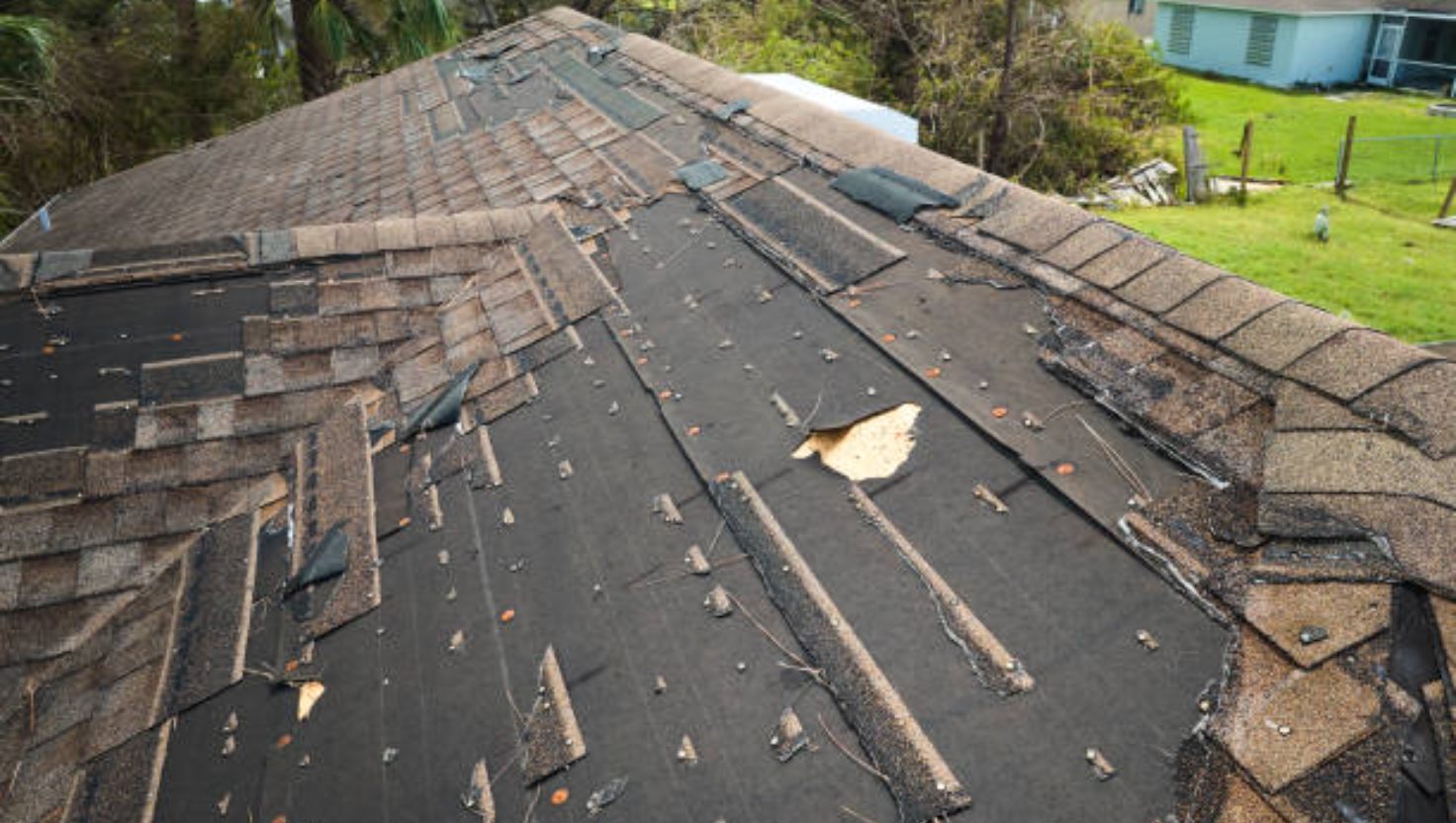
- Bruised and cracked shingles — impacts fracture the shingle mat, weakening it even when it still looks intact.
- Granule loss — hail knocks away the granules that protect shingles from UV, accelerating aging.
- Dented metal and flashing — hail dents metal roofing, vents, and flashing, compromising seals.
- Punctured or split membranes — on flat and low-slope roofs, large hail can puncture the membrane.
- Damaged gutters and accessories — dents and dislodged components.
The danger is that much of this looks minor or invisible from the ground but becomes a leak weeks or months later.
Why is hail damage often invisible?
Hail damage is deceptive. A bruised shingle may look fine from the street, but the impact has fractured the mat beneath and knocked loose the protective granules — creating a spot that will age rapidly and eventually leak. Homeowners often assume their roof is fine after a storm because there’s no obvious hole or leak, only to discover damage months later when it’s spread. This is exactly why a professional inspection after a major hailstorm matters: a trained inspector can identify the subtle bruising, granule loss, and compromised areas that an untrained eye misses — and document them while the damage is clearly linked to the storm.
What should you do after a large hailstorm?
- Stay safe. Don’t climb onto the roof, especially if it’s wet or damaged.
- Check for interior signs — look in the attic and at ceilings for any moisture or daylight.
- Document from the ground — photograph any visible damage, dented gutters, and fallen debris.
- Schedule a professional inspection promptly to assess and document the roof damage.
- Contact your insurer if damage is found, and keep records of everything.
- Act quickly — prompt documentation strengthens your claim while the damage is clearly storm-related.
Does insurance cover large hail damage?
In most cases, yes. When hail causes the damage, homeowners insurance typically covers repair or replacement minus your deductible — but proper documentation is essential. A professional inspection that identifies and photographs the hail damage gives your claim the evidence it needs, and having your roofer present when the adjuster inspects helps ensure nothing is missed. An experienced local roofer can tell you honestly whether you have a valid claim worth filing and document the damage correctly for your carrier. Acting promptly matters, since delays can complicate linking the damage to a specific storm.
How is hail damage repaired?
The right repair depends on the extent of the damage. Isolated damage — a few bruised or cracked shingles — can be repaired by replacing the affected shingles and resealing any compromised flashing. Widespread hail damage across the roof, however, often warrants a full replacement, which is frequently covered by insurance when the damage is documented. On metal and flat roofs, dented or punctured areas are assessed and repaired or replaced as needed. A professional inspection determines the true extent of the damage — including the hidden bruising — so the repair addresses the real problem rather than just the visible spots.
Why choose Pete’s Builders for hail damage?
Pete’s Builders specializes in hail damage inspection, documentation, and repair, with licensed, insured crews, an A+ Better Business Bureau rating, and hands-on experience guiding homeowners through insurance claims. Every inspection is thorough — finding the hidden damage large hail leaves behind — and every repair is built for Cheyenne’s climate. As a local company, Pete’s is here before, during, and after the claim, unlike storm-chasing crews. Service covers Cheyenne, Laramie, Scottsbluff, and surrounding communities.
How can you protect your roof from future hail?
While you can’t stop hail from falling, you can significantly reduce the damage it does — which matters in a hail corridor like Cheyenne where severe storms recur. The most effective step is choosing impact-resistant (Class 4) shingles the next time you repair or replace your roof. These shingles are specifically engineered and tested to withstand hail strikes that would bruise or crack standard shingles, meaning fewer storm-damage claims, a roof that keeps its full lifespan, and — with many insurers — a discount on your homeowners insurance premium that offsets part of the upgrade cost over time. Metal roofing is another strong hail performer for those willing to invest more. Beyond the material, keeping your roof in good repair matters: a roof with sound shingles, intact flashing, and no existing weaknesses handles hail far better than one that’s already worn. Regular inspections and prompt repairs keep your roof in that resilient condition. And after any major hailstorm, a professional inspection catches and documents damage early, before it spreads. Combining an impact-resistant roof with regular maintenance and prompt post-storm inspections is the most effective way to protect your Cheyenne home from the region’s hail — turning what would be recurring costly damage into a manageable, well-defended risk. Ask a professional whether an impact-resistant upgrade makes sense for your home and what insurance discount your carrier offers.
Frequently asked questions
How do I know if large hail damaged my roof?
Signs include bruised or cracked shingles, granules collecting in gutters, dented metal and flashing, and dented gutters. Because much hail damage isn’t visible from the ground, a professional inspection after a storm reliably confirms and documents it.
Is hail damage always visible?
No. Hail often bruises shingles and knocks loose granules without an obvious hole, so the roof looks fine but the damage ages and leaks later. This is why a professional post-storm inspection is important even if nothing looks wrong.
Does insurance cover hail roof damage?
When hail causes the damage, homeowners insurance typically covers repair or replacement minus your deductible, provided the damage is properly documented by a professional inspection. Acting promptly strengthens the claim.
Should I repair or replace a hail-damaged roof?
Isolated damage can be repaired, while widespread hail damage often warrants replacement, frequently covered by insurance. A professional inspection determines the true extent, including hidden bruising, to guide the right choice.
How do I get my roof inspected for hail damage?
Call Pete’s Builders at (307) 514-5489 to schedule a hail damage inspection, documentation, and repair — with help navigating your insurance claim.
Storm-damaged roof in Cheyenne? Get it inspected
Don’t let hidden hail damage become a leak. Pete’s Builders inspects, documents, and repairs it. Call (307) 514-5489 or visit 1816 Central Ave, Cheyenne, WY 82001 today.