

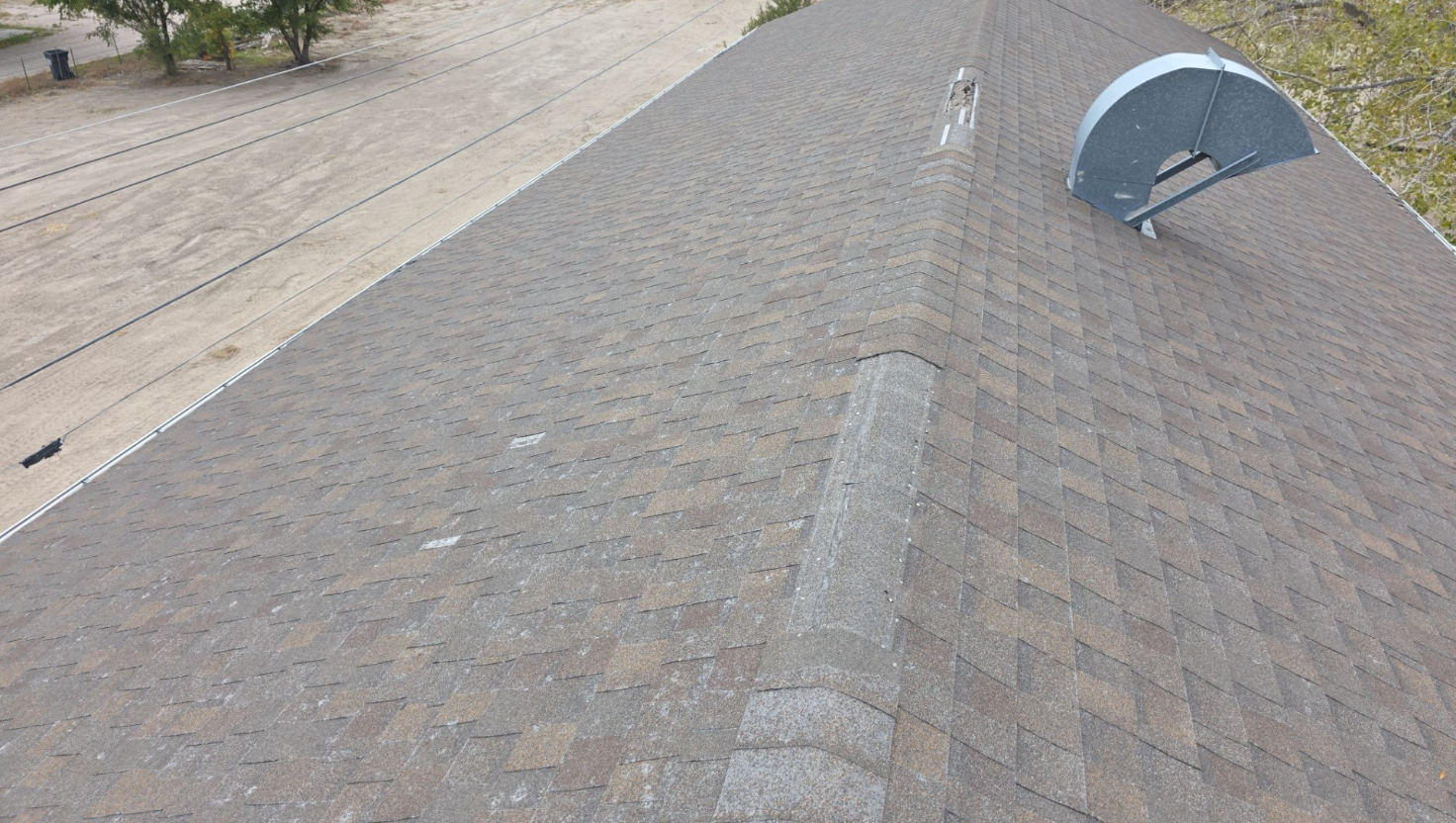
A new roof can lower your winter heating bills in Cheyenne by sealing the air leaks, improving the insulation and ventilation, and adding modern underlayment that an old, worn roof no longer provides — keeping expensive heated air inside your home instead of letting it escape through the roof. Because heat rises, the roof is one of the biggest sources of energy loss in a home, and Cheyenne’s cold winters make that loss costly. Upgrading a failing roof isn’t just about stopping leaks — it can meaningfully cut what you spend to stay warm. Pete’s Builders installs energy-efficient roofing across Cheyenne, Laramie, and Scottsbluff, serving the area since 2015.
Quick answer
An energy-efficient roof cuts heating and cooling costs through the right materials, insulation, and ventilation — in Cheyenne, that means sealing heat loss in winter and reflecting summer sun. Options range from reflective coatings and metal to added attic insulation and, where suitable, green or solar-ready roofs.
| Efficiency lever | Benefit |
|---|---|
| Insulation | Cuts winter heat loss |
| Ventilation | Balances attic temperature |
| Reflective surface | Lowers summer cooling |
| Metal / coatings | Durable & reflective |
| Solar-ready | Optional added savings |
How does a new roof lower heating bills?
Your roof is the top of your home’s “thermal envelope” — the barrier that keeps conditioned air in and outside air out. A new, properly installed roof improves that barrier in several ways at once: it seals air leaks at flashing, penetrations, and worn areas where heat was escaping; it’s paired with fresh underlayment that adds a layer of protection; it enables correct attic ventilation that manages moisture and temperature; and it’s often installed alongside improved attic insulation. Together, these keep the warm air your furnace produces inside the house, so your heating system runs less and costs less.
Why do old roofs waste heat?
An aging roof loses its ability to seal the home. Worn or damaged shingles, cracked or lifted flashing, and gaps around vents and chimneys let heated air leak out and cold air seep in. Poor or blocked ventilation traps moisture that degrades insulation, reducing its effectiveness. And older roofs were often installed without the modern underlayment and ventilation standards used today. The result is a home that’s harder and more expensive to keep warm — your furnace works overtime to replace the heat that’s constantly escaping through the roof.
What roof features improve energy efficiency?
- Proper attic insulation — the biggest factor in retaining heat; often upgraded during a re-roof.
- Balanced attic ventilation — soffit intake and ridge exhaust that manage temperature and moisture, protecting insulation and preventing ice dams.
- Quality underlayment — including ice-and-water shield, adding a protective barrier.
- Air sealing — sealing gaps at flashing, penetrations, and edges where heat escapes.
- Energy-efficient materials — reflective or well-rated roofing and, where suitable, insulated options.
A new roof lets all of these be addressed together, correcting years of accumulated energy loss in one project.
Does roofing material affect heating costs?
It can, though installation and insulation matter more than material alone. Metal roofing with the right underlayment and ventilation performs well and can include reflective finishes. Quality asphalt shingles, properly installed with good attic ventilation and insulation, provide a well-sealed, efficient roof for most homes. The bigger driver of winter efficiency is what’s underneath and around the roofing — the insulation, ventilation, and air sealing — which is why a professional installation that addresses the whole system delivers the energy savings, not just the visible shingles.
How much can a new roof save on heating?
Savings vary by home, the condition of the old roof, and how much insulation and ventilation are improved. A home with a badly worn, poorly ventilated, under-insulated roof stands to save the most, because there’s the most waste to correct. While a new roof is primarily an investment in protecting your home, the reduced heating (and summer cooling) costs add ongoing value on top of that protection. Combined with a longer, leak-free lifespan and improved comfort, the energy savings are a meaningful part of a new roof’s return — especially in a cold-winter climate like Cheyenne’s.
What are the signs your roof is costing you money?
- Higher-than-expected heating bills, especially rising year over year.
- Rooms that are hard to keep warm or have noticeable drafts.
- Ice dams or large icicles in winter (a sign of heat escaping and poor ventilation).
- An old roof near the end of its lifespan.
- Visible damage, missing shingles, or attic moisture and daylight.
If you’re seeing these, your roof may be quietly adding to your energy costs — and a professional inspection can confirm it.
Why choose Pete’s Builders?
Pete’s Builders installs energy-efficient roofing that addresses the whole system — roofing, underlayment, ventilation, and air sealing — built for Cheyenne’s cold winters. With licensed, insured crews, an A+ Better Business Bureau rating, and a track record since 2015, every project starts with an honest inspection and a written estimate. Service covers Cheyenne, Laramie, Scottsbluff, and surrounding communities.
How do ice dams connect to heating loss?
Ice dams are one of the clearest visible signs that your roof is wasting heat, which is why they matter to your winter bills as much as to your roof’s health. Here’s the connection: when warm air escapes from your living space into the attic — through gaps, poor insulation, or inadequate ventilation — it warms the underside of the roof deck, melting the snow sitting on top. That meltwater runs down to the cold roof edge, refreezes, and builds the ridge of ice that backs water up under your shingles. So an ice dam isn’t just a leak risk; it’s physical proof that expensive heated air is leaking out through your roof. Fixing the root cause — sealing air leaks, improving attic insulation, and adding balanced ventilation to keep the roof deck cold and uniform — solves both problems at once: it stops the ice dams that damage your roof and keeps the heat inside where it lowers your energy bills. This is exactly the kind of whole-system correction a quality new roof addresses, which is why homeowners often notice both fewer winter roof problems and lower heating costs after the work is done. If you’re seeing ice dams or big icicles every winter, it’s worth an inspection — you’re likely paying for that escaping heat twice, once on your energy bill and again in roof wear.
Frequently asked questions
Can a new roof really lower my heating bills?
Yes. A new roof seals air leaks, enables proper ventilation and insulation, and adds fresh underlayment — keeping heated air inside so your furnace runs less. Homes with old, worn, poorly ventilated roofs save the most.
Why does my old roof make my house cold?
Worn shingles, cracked flashing, gaps around vents, and poor ventilation let heated air escape and cold air in, while degraded insulation loses effectiveness. Your heating system then works harder to keep up.
What roof upgrades save the most energy?
Proper attic insulation and balanced ventilation save the most, along with air sealing and quality underlayment. These are best addressed together during a re-roof for maximum efficiency.
Does a metal roof save on heating?
Metal roofing performs well with the right underlayment, ventilation, and insulation, and can include reflective finishes. But the insulation and ventilation beneath the roof drive winter savings more than the material itself.
How do I find out if a new roof would save me money?
Call Pete’s Builders at (307) 514-5489 for an inspection that assesses your roof’s condition, insulation, and ventilation, plus a written estimate.
Lower your heating bills with an efficient new roof
Stop paying to heat the outdoors. Pete’s Builders installs roofing built to keep the warmth in through Cheyenne winters. Call (307) 514-5489 or visit 1816 Central Ave, Cheyenne, WY 82001 today.