
Choosing between TPO, PVC, and metal for a commercial roof comes down to your building, budget, and priorities: TPO offers energy-efficient reflectivity at a moderate cost, PVC adds superior chemical and fire resistance with the strongest seams, and metal delivers the longest lifespan and durability — all good options for Wyoming’s climate when correctly installed. Each system has clear strengths, so the “best” choice depends on your specific building. This guide compares all three so you can make an informed decision. Pete’s Builders installs and services TPO, PVC, and metal commercial roofing across Cheyenne, Laramie, and Scottsbluff, serving businesses since 2015.
Quick answer
Commercial roofing in Wyoming centers on flat and low-slope systems — TPO, EPDM, PVC, modified bitumen, metal, and coatings — chosen for drainage, durability, and energy efficiency. Regular inspection and maintenance protect the building and extend the roof’s service life.
| Commercial system | Best for |
|---|---|
| TPO / PVC | Reflectivity & welded seams |
| EPDM | Durability & value |
| Mod-bit / BUR | Foot traffic & redundancy |
| Metal | Longevity & wind resistance |
| Coatings | Extend life, seal & reflect |
What are TPO, PVC, and metal roofing?
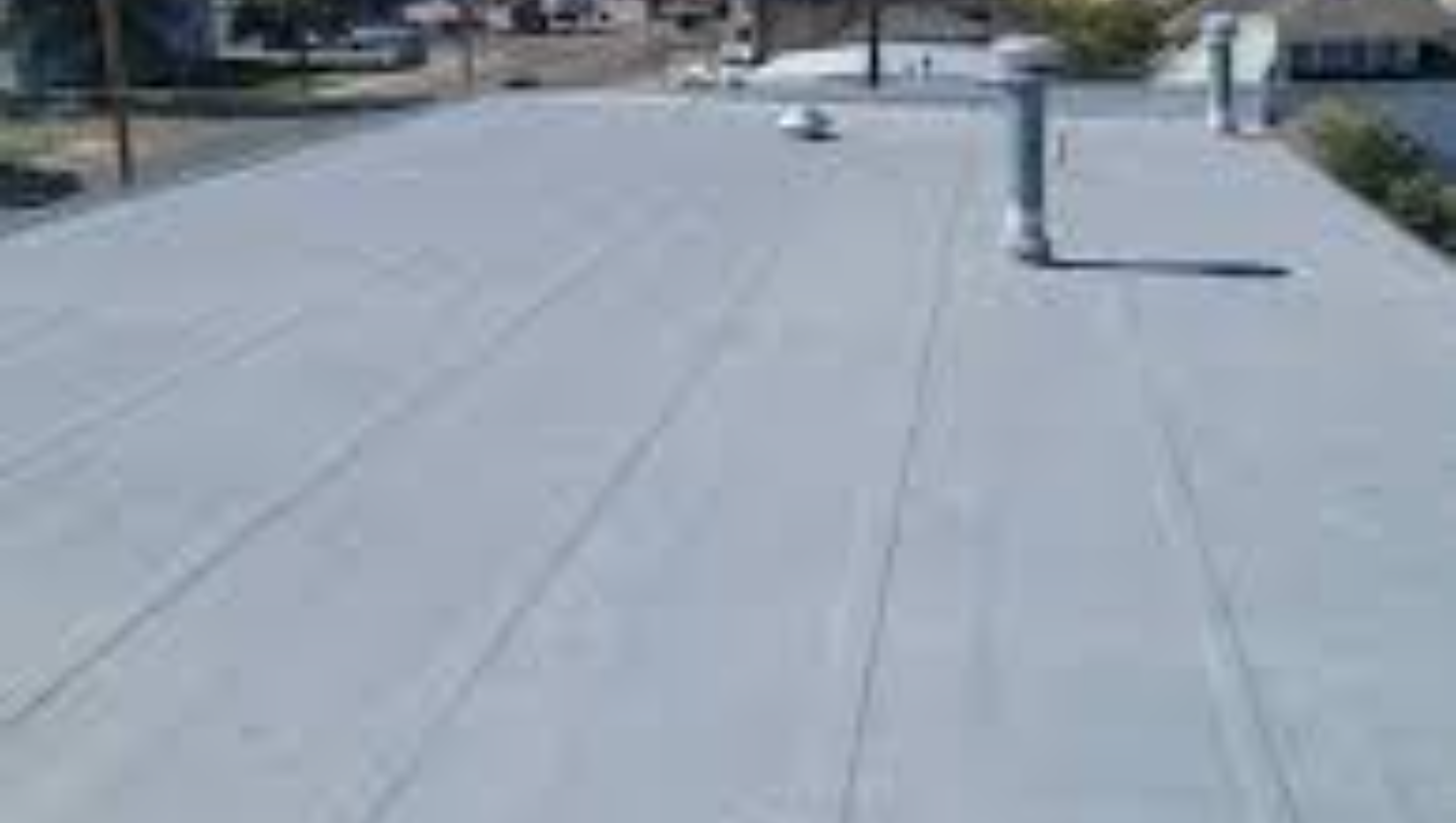
TPO (thermoplastic polyolefin) and PVC (polyvinyl chloride) are single-ply membrane systems for flat and low-slope commercial roofs, installed as large sheets with heat-welded seams. Metal roofing uses panels (often standing seam) and suits both low-slope and sloped commercial applications. All three are proven commercial systems; they differ in cost, performance characteristics, and ideal use cases — which is what makes matching the system to the building so important.
TPO roofing: pros and cons
Strengths: TPO is a reflective, energy-efficient membrane that bounces heat away and helps lower cooling costs — valuable under Wyoming’s intense sun. It offers heat-welded seams, good durability, and a competitive price, making it one of the most popular commercial choices. Considerations: quality varies by manufacturer, and like any membrane it depends on correct installation and drainage. TPO is an excellent all-around option for many commercial buildings that want energy efficiency at a reasonable cost.
PVC roofing: pros and cons
Strengths: PVC shares TPO’s reflectivity and heat-welded seams but adds superior resistance to chemicals, grease, and fire, and is known for exceptionally strong, durable seams. This makes it ideal for restaurants, buildings with rooftop grease exhaust, and demanding environments, and it delivers a long service life. Considerations: PVC typically costs more than TPO. For buildings where chemical resistance or maximum seam reliability matters, that premium is well justified.
Metal roofing: pros and cons
Strengths: Metal roofing offers the longest lifespan — often decades — with excellent durability, fire resistance, wind resistance, and snow-shedding, plus low maintenance. Standing-seam metal has concealed fasteners and no seams to fail like a membrane. Considerations: metal usually has the highest upfront cost and suits certain building types and slopes better than others. For owners prioritizing longevity and durability over initial price, metal is often the best long-term value.
How do the three compare?
| Factor | TPO | PVC | Metal |
|---|---|---|---|
| Upfront cost | Moderate | Higher | Highest |
| Lifespan | Long | Long | Longest |
| Energy efficiency | Reflective | Reflective | Reflective options |
| Chemical/fire resistance | Good | Excellent | Excellent (fire) |
| Best for | Value + efficiency | Restaurants, demanding use | Maximum longevity |
Which is best for Wyoming’s climate?
All three perform well in Wyoming when installed correctly, and each addresses the local climate: reflectivity (TPO, PVC, reflective metal) handles the intense high-altitude UV and lowers cooling costs; durability and secure attachment (all three) resist high winds; and proper drainage on the membranes plus metal’s snow-shedding handle snow and meltwater. The deciding factor isn’t the climate alone but your building’s use, budget, and how long you plan to own it. A professional assessment weighs these to recommend the right system.
How do you choose the right system?
Match the system to your priorities. Choose TPO if you want a strong balance of energy efficiency and cost. Choose PVC if your building has grease or chemical exposure (like a restaurant) or you want the most robust seams. Choose metal if you prioritize the longest lifespan and lowest long-term maintenance and can invest more upfront. Also weigh your building’s slope, existing structure, and how long you’ll own it. Because correct installation determines whether any of these systems reaches its potential, the contractor you choose matters as much as the material.
Why choose Pete’s Builders?
Pete’s Builders installs and services TPO, PVC, and metal commercial roofing, giving you honest guidance on which fits your building rather than pushing one product. With commercial roofing expertise, licensed and insured crews, an A+ Better Business Bureau rating, and a track record since 2015, every project starts with an assessment and a written, itemized proposal. Service covers Cheyenne, Laramie, Scottsbluff, and surrounding communities.
Can you restore an existing commercial roof instead of replacing it?
Before choosing between a new TPO, PVC, or metal system, it’s worth knowing that replacement isn’t always necessary — and a good contractor will tell you so. If your existing commercial roof is aging but still structurally sound, a restoration coating can seal the surface, stop leaks, and add years of service life at a fraction of the cost of a full tear-off and new system. Reflective coatings also improve energy efficiency, much like a new TPO or PVC membrane would. This makes restoration an attractive middle option for many mid-life commercial roofs, deferring the larger expense of replacement while keeping the building watertight and avoiding the disruption a full re-roof brings to your operations. Restoration works best when it’s done before a roof deteriorates too far, which is one more reason regular inspections and maintenance pay off — they let you catch a roof at the stage where restoration is still possible. When a roof is genuinely at the end of its life, though, replacement with the right new system is the smarter long-term investment, and that’s when the TPO-versus-PVC-versus-metal decision becomes the one to focus on. A professional inspection determines honestly which stage your roof is at, so you invest in the option that actually fits your building’s condition rather than paying for more (or less) than you need.
Frequently asked questions
Which is better, TPO, PVC, or metal roofing?
None is universally best — it depends on your building. TPO balances energy efficiency and cost, PVC adds chemical and fire resistance with the strongest seams, and metal offers the longest lifespan and durability. A professional assessment matches the system to your needs.
Is PVC roofing worth the extra cost over TPO?
For buildings with grease or chemical exposure, like restaurants, or where maximum seam reliability matters, PVC’s superior resistance justifies the premium. For general commercial use focused on value and efficiency, TPO is often sufficient.
How long does each roofing system last?
TPO and PVC membranes can last many years with proper installation and maintenance, while metal roofing typically lasts the longest — often decades. Drainage, installation quality, and maintenance affect all three.
Which system is most energy efficient?
TPO and PVC are both reflective and energy-efficient, and reflective metal options exist too. All can reduce cooling costs under Wyoming’s sun; the difference is smaller than the differences in cost, seams, and lifespan.
How do I choose the right commercial roof system?
Call Pete’s Builders at (307) 514-5489 for a professional assessment that weighs your building, budget, and goals, plus a written proposal comparing TPO, PVC, and metal.
Not sure which commercial roof is right? Ask an expert
Pete’s Builders installs all three and gives honest advice on the best fit for your building. Call (307) 514-5489 or visit 1816 Central Ave, Cheyenne, WY 82001 today.