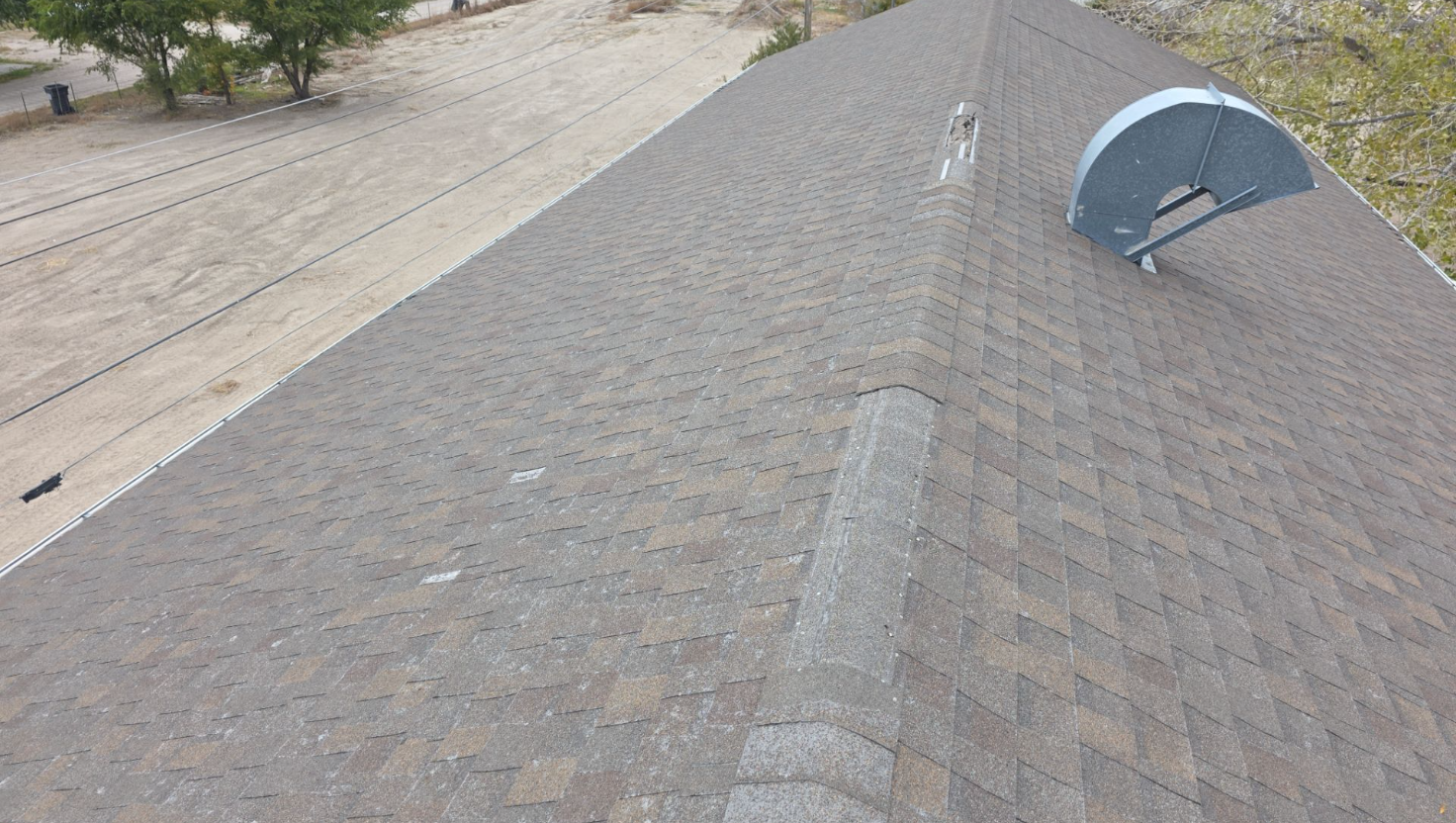
Commercial roofing in Laramie, WY means choosing a flat or low-slope system that survives high-elevation cold, heavy snow load, and freeze-thaw cycles. At roughly 7,200 feet, Laramie sits higher and colder than Cheyenne, so membranes face intense UV, wind uplift, and deeper, longer-lasting snow. The systems that perform best here are TPO, PVC, EPDM, modified bitumen, and metal, each with trade-offs for ponding, cold flexibility, and snow shedding. The most common Laramie roof problems are ponding water, ice buildup, and wind-lifted seams. Routine maintenance and drainage care extend service life the most. Pete’s Builders installs and services commercial roofs across Laramie and the region.
Quick answer
Commercial roofing in Laramie, WY centers on flat and low-slope systems — TPO, EPDM, PVC, modified bitumen, metal, and coatings — chosen for drainage, durability, and energy efficiency. Regular inspection and maintenance protect the building and extend the roof’s service life.
| Commercial system | Best for |
|---|---|
| TPO / PVC | Reflectivity & welded seams |
| EPDM | Durability & value |
| Mod-bit / BUR | Foot traffic & redundancy |
| Metal | Longevity & wind resistance |
| Coatings | Extend life, seal & reflect |
Which commercial roof systems suit Laramie’s high-elevation climate?
Laramie’s flat and low-slope commercial roofs need materials that stay flexible in deep cold and shed water fast. No single system is best for every building. Slope, budget, and rooftop equipment all shape the right choice.
These are the systems that perform well at Laramie’s elevation:
- TPO — a single-ply membrane with a reflective white surface that handles high-altitude UV and helps manage summer heat gain.
- PVC — a hot-air-welded single-ply system with strong seam strength and chemical resistance, useful for restaurants and buildings with grease exhaust.
- EPDM — a rubber membrane known for flexibility through hard freeze-thaw swings, a real advantage in Laramie winters.
- Modified bitumen — a layered asphalt system that tolerates foot traffic and wide temperature ranges.
- Metal — standing seam panels that shed heavy snow and last for decades on sloped commercial buildings.
Built-up roofing (BUR) also still serves large flat areas. The key is matching the membrane’s cold-weather rating and thickness to Laramie’s conditions, not just picking the cheapest option.
How do these roof systems compare for heavy snow and freeze-thaw?
Each system trades cost against cold performance and durability. The comparison below is a general guide, not a fixed rule for every roof.
- TPO — Pros: reflective, cost-effective, welded seams. Cons: cold can stress cheaper, thinner grades; specify a heavier mil for Laramie.
- PVC — Pros: excellent welded seam strength that resists wind uplift and holds up under standing snowmelt. Cons: higher material cost.
- EPDM — Pros: outstanding flexibility in extreme cold and long track record. Cons: black surface absorbs heat, and older seams need monitoring.
- Modified bitumen — Pros: multi-ply redundancy and puncture resistance. Cons: heavier and slower to install in short weather windows.
- Metal — Pros: sheds snow load and lasts longest. Cons: higher upfront cost and needs proper slope.
Freeze-thaw is the quiet destroyer in Laramie. Water that ponds, freezes overnight, then thaws under a daytime chinook can work into seams and flashing. A system with strong, welded seams and good drainage design is worth more here than raw membrane price.
What are the most common commercial roof problems in Laramie?
High elevation and a harsh winter create a predictable set of failures on Laramie commercial roofs. Catching them early keeps repair costs down.
The problems we see most often include:
- Ponding water — flat roofs with poor slope or clogged drains hold water that freezes, adding load and stressing the membrane.
- Ice and snow buildup — heavy, long-lasting snow at 7,200 feet adds weight and drives ice into seams and edges.
- Wind uplift — Laramie’s strong winds pull at membrane edges, corners, and poorly fastened seams.
- Failed flashing around penetrations — HVAC curbs, vents, and skylights are the first places leaks appear.
- UV degradation — thin high-altitude air means stronger UV that ages exposed membranes and coatings faster.
Ponding and freeze-thaw often work together. A low spot that drains slowly becomes an ice patch that expands and contracts, opening tiny gaps that grow into leaks. Wind then lifts any seam the ice has already loosened.
How does high elevation change a commercial roof’s service life?
Laramie’s altitude shortens the working season and stresses materials harder than lower Wyoming towns. Cold slows adhesive cure times, so installation timing matters more than in Cheyenne.
Stronger UV and bigger temperature swings age surfaces faster too. A membrane rated for a milder region may not reach its full published lifespan up here. That is why cold-weather grades, proper insulation, and reflective or protective coatings pay off over the roof’s life.
General industry lifespan ranges give a rough planning window: single-ply membranes often last around 20 to 30 years, EPDM can reach the upper end of that with care, and metal can last 40 years or more. Actual results in Laramie depend on install quality, maintenance, and exposure.
What maintenance extends a Laramie commercial roof’s life?
Maintenance is the single biggest factor in how long a Laramie commercial roof lasts. Small, scheduled work prevents the expensive failures that freeze-thaw and wind cause.
A practical maintenance routine for a Laramie building includes:
- Twice-yearly inspections — in spring and fall, plus a check after major storms or wind events.
- Drain and gutter clearing — keep water moving off the roof before it can pond and freeze.
- Snow management — monitor snow load on flat sections and clear safely when depth grows.
- Seam and flashing checks — inspect penetrations, edges, and corners where wind and ice attack first.
- Coatings and minor repairs — reseal and recoat aging membranes to restore UV protection and delay replacement.
Documentation matters as much as the work itself. Photo records of each Laramie inspection help owners budget ahead and support insurance claims after hail or wind damage.
Frequently asked questions
What is the best commercial roof system for Laramie’s climate?
There is no single best system. PVC and TPO offer strong welded seams and reflectivity, EPDM excels in extreme cold flexibility, and metal sheds heavy snow. The right choice depends on your building’s slope, budget, and rooftop equipment.
Why does Laramie’s elevation matter for a commercial roof?
At about 7,200 feet, Laramie is higher and colder than Cheyenne, with heavier snow and stronger UV. That means faster surface aging, tighter installation windows, and a greater need for cold-rated materials and good drainage.
How often should a Laramie commercial roof be inspected?
A twice-yearly inspection, in spring and fall, is a sound baseline. Add a check after any major snow, hail, or high-wind event, since those are when freeze-thaw and uplift damage tend to appear.
What causes ponding water on flat commercial roofs?
Ponding comes from inadequate slope, clogged or undersized drains, or sagging insulation. In Laramie it is especially risky because standing water freezes, adds load, and stresses seams during freeze-thaw cycles.
Can a coating extend the life of an aging commercial roof?
Often yes. If the existing membrane is structurally sound, a restoration coating can restore UV protection, seal minor issues, and delay a full replacement at lower cost than tearing off.
How long does a commercial roof last in Laramie?
As a general industry range, single-ply membranes often last around 20 to 30 years and metal can last 40 years or more. High-altitude UV, snow load, and maintenance quality all affect the real number.
Get a commercial roof assessment in Laramie
Need to evaluate, repair, coat, or maintain a flat or low-slope roof in Laramie? Call Pete’s Builders at (307) 514-5489 or visit petesbuilders.com to schedule an on-site inspection of your commercial building.
Pete’s Builders Commercial & Residential Roofing
1816 Central Ave, Cheyenne, WY 82001
Phone: (307) 514-5489
Web: petesbuilders.com
Reviewed by the Pete’s Builders Roofing Team — licensed & insured Wyoming roofing contractors.