

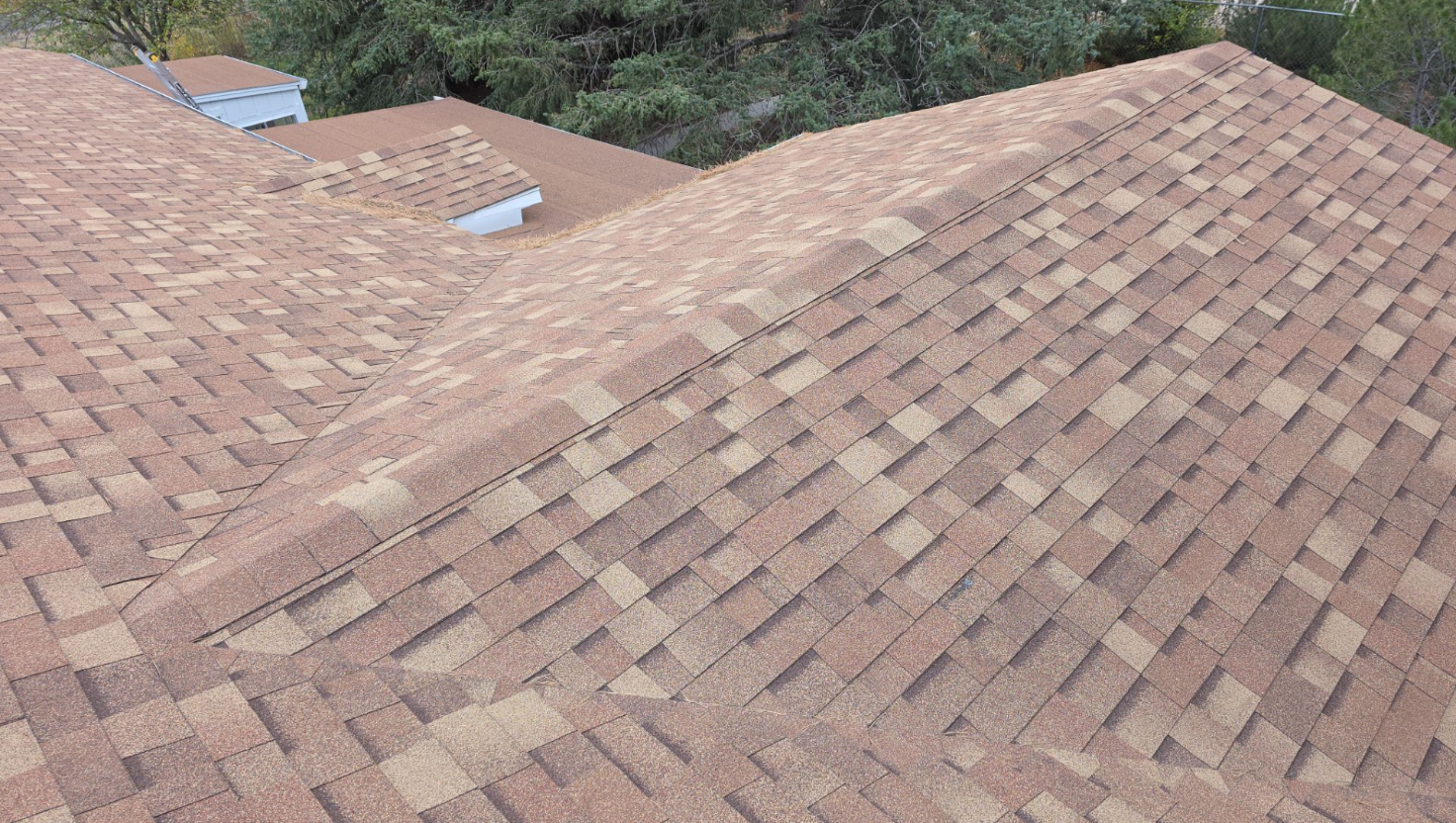
Modified bitumen roofing is a durable, multi-layer membrane system for flat and low-slope roofs, made from asphalt reinforced with modifiers and fabric to create a tough, weather-resistant surface — a reliable, cost-effective choice for commercial buildings and low-slope residential sections in Wyoming’s demanding climate. Its layered construction gives it excellent resistance to the temperature swings, hail, and UV that Wyoming roofs face. For property owners with flat roofs, modified bitumen is a proven option worth understanding. Pete’s Builders installs and repairs modified bitumen and other membrane roofing across Cheyenne, Laramie, and Scottsbluff, serving the area since 2015 with an A+ Better Business Bureau rating.
Quick answer
Modified bitumen is an asphalt-based membrane applied to flat and low-slope roofs in reinforced layers, giving durable, waterproof coverage that handles foot traffic and Wyoming’s temperature extremes. It’s a proven option for commercial low-slope roofs.
| Mod-bitumen | Detail |
|---|---|
| Type | Asphalt-based reinforced membrane |
| Install | Rolled or torch-applied in layers |
| Durability | Handles foot traffic & temp swings |
| Waterproofing | Multiple bonded plies |
| Best for | Flat & low-slope commercial roofs |
What is modified bitumen roofing?
Modified bitumen is an evolution of the traditional built-up (tar-and-gravel) roof. It’s made from asphalt (bitumen) that’s “modified” with polymers — either APP or SBS — to improve its performance, then reinforced with fabric layers such as fiberglass or polyester for strength. The result is a tough, flexible membrane installed in multiple plies across a flat or low-slope roof. It combines the proven waterproofing of asphalt with added durability and flexibility, making it a dependable system for commercial buildings and low-slope applications.
How is modified bitumen installed?
Modified bitumen can be applied several ways depending on the product and building: torch-applied (heat-welded with a torch to fuse the layers), cold-applied (using adhesives, avoiding open flame), self-adhered (peel-and-stick membranes), and hot-mopped (using hot asphalt). Each method bonds the multiple plies into a continuous, watertight surface. The right application depends on the building, the product, and site conditions — and because methods like torch-application require skill and safety precautions, professional installation is important both for performance and safety.
What are the benefits of modified bitumen roofing?
- Durability. Multiple reinforced layers create a tough, puncture-resistant surface.
- Flexibility. Polymer modifiers let it expand and contract with temperature swings without cracking — valuable in Wyoming.
- Weather resistance. Handles hail, wind, and UV well, especially with a granulated or reflective surface.
- Proven track record. A time-tested system with decades of reliable use.
- Cost-effectiveness. Competitive pricing with strong performance.
- Repairability. Damaged areas can be patched relatively easily.
- Multi-layer protection. Redundant plies mean one layer backs up another.
Why does modified bitumen work well in Wyoming?
Wyoming’s climate is defined by extremes, and modified bitumen is built to handle them. Its flexibility lets it expand and contract through the region’s dramatic temperature swings and freeze-thaw cycles without cracking — a key advantage where rigid materials fail. Its multi-layer construction resists hail punctures and provides redundant protection. A granulated or reflective surface stands up to intense high-altitude UV and can improve energy efficiency. And its proven waterproofing keeps flat roofs watertight through heavy snow and rain. For a low-slope Wyoming roof, these traits make modified bitumen a dependable, sensible choice.
How does modified bitumen compare to other flat roofing?
Modified bitumen is one of several flat-roof options, each with strengths. Compared with single-ply membranes (TPO, EPDM, PVC), modified bitumen offers multi-layer redundancy and easy repairability, though single-plies like TPO and PVC offer reflectivity and heat-welded seams. Compared with traditional built-up roofing, modified bitumen is lighter, more flexible, and often easier to install and repair. The best choice depends on the building, budget, and priorities — a professional assessment weighs the options. What matters most is matching the system to the roof and installing it correctly.
How long does modified bitumen roofing last?
A quality modified bitumen roof, properly installed and maintained, can last many years — a solid lifespan for a flat roofing system. As with any flat roof, its longevity depends on installation quality, proper drainage (avoiding ponding water), and regular maintenance. Keeping drains clear, inspecting seams and flashing, and addressing small issues promptly all help it reach its full service life. A maintenance program is a smart investment for protecting any commercial flat roof, including modified bitumen.
Why choose Pete’s Builders?
Pete’s Builders installs and repairs modified bitumen and other membrane roofing with commercial roofing expertise, licensed and insured crews, an A+ Better Business Bureau rating, and a track record since 2015. Every project begins with an assessment and a written estimate, and installation is done with the correct method and detailing that make a flat roof perform. Service covers Cheyenne, Laramie, Scottsbluff, and surrounding communities.
What’s the difference between APP and SBS modified bitumen?
Modified bitumen comes in two main types, distinguished by the modifier blended into the asphalt — and understanding the difference helps you and your contractor choose the right one for your building. APP (atactic polypropylene) modified bitumen is a “plastic” modifier that produces a tough, UV-resistant membrane with good resistance to high heat; it’s typically torch-applied and is well suited to sunny conditions. SBS (styrene-butadiene-styrene) is a “rubber” modifier that makes the membrane more flexible and elastic, allowing it to stretch and return to shape through temperature swings and building movement without cracking — a real advantage in a climate like Wyoming’s with dramatic seasonal and daily temperature changes and freeze-thaw cycles. SBS can be torch-applied, cold-applied, hot-mopped, or self-adhered, giving more installation flexibility. Neither is universally “better” — the right choice depends on the building, the climate priorities (heat resistance versus flexibility), and the installation method. For many Wyoming applications, SBS’s flexibility in the cold is attractive, but a professional assessment of your specific roof, its exposure, and your budget is the best way to determine which modified bitumen system will perform best and last longest on your building.
Frequently asked questions
What is modified bitumen roofing?
It’s a durable, multi-layer membrane for flat and low-slope roofs, made from asphalt modified with polymers and reinforced with fabric. It combines proven asphalt waterproofing with added durability and flexibility.
Is modified bitumen good for Wyoming’s climate?
Yes. Its flexibility handles Wyoming’s temperature swings and freeze-thaw cycles without cracking, its multiple layers resist hail, and a granulated or reflective surface stands up to intense UV — making it a dependable low-slope choice.
How is modified bitumen roofing installed?
It can be torch-applied, cold-applied with adhesives, self-adhered (peel-and-stick), or hot-mopped, bonding multiple plies into a continuous watertight surface. Professional installation is important for performance and safety.
How long does a modified bitumen roof last?
With quality installation and maintenance, a modified bitumen roof can last many years. Its lifespan depends on installation quality, proper drainage, and regular maintenance to avoid ponding and catch small issues.
How do I get a modified bitumen roofing estimate?
Call Pete’s Builders at (307) 514-5489 to schedule an assessment and receive a written estimate for modified bitumen or other flat roofing.
Need flat roofing in Wyoming? Consider modified bitumen
Durable, flexible, and proven — installed right by Pete’s Builders. Call (307) 514-5489 or visit 1816 Central Ave, Cheyenne, WY 82001 today.